
By Scooter M. · Last updated October 3, 2026
Shovel Report earns a commission when you buy through the links on this page, at no extra cost to you. It does not change what we recommend, and we publish a skip-this verdict on products we could otherwise earn from. Full disclosure.
Safe Paw is a chloride-free, salt-free ice melt built on a crystalline amide core infused with glycols. The maker publishes an effective temperature of -2°F, coverage of about 100 square feet per pound, and states it is non-corrosive. It is the right buy where chloride is the problem — new concrete, decking, metal fixings, pets — and the wrong one where deep cold is.
What it is, chemically
Almost everything sold as ice melt is a chloride: sodium, calcium, magnesium or potassium. Chlorides are cheap and effective, and the chloride ion is also what corrodes rebar and metal fixings and loads soil with salt.
Safe Paw contains none of them. The maker describes a crystalline amide core infused with glycols — an entirely different mechanism from a dissolving salt. The amide core provides traction and carries the glycol, which does the freezing-point work.
That matters because it changes which objections apply. Arguments about rebar corrosion, salt-damaged soil structure and chloride attack on cement paste are arguments about chlorides. They do not apply here. What does apply is temperature.
The number that decides whether to buy it: -2°F
Safe Paw publishes an effective temperature of -2°F. Set that against the rest of our registry and the picture is immediate.
Published lowest effective temperatures, compared
So the honest framing is a climate question rather than a quality question. If -2°F is an unusual night where you live, Safe Paw covers essentially your whole winter. If it is a normal January, you will have nights when it does nothing and you need a chloride or grit in the shed as well.
Our temperature guide sets out every chemistry's floor; the short version is that chloride-free products buy surface safety by giving up cold performance, and no amount of marketing changes that trade.
100 square feet per pound is the spec nobody else gives you
Safe Paw publishes a coverage rate, and almost none of its competitors do. That one figure turns a vague purchase into arithmetic.
At the stated 100 square feet per pound, a 35-pound pail covers about 3,500 square feet per application. A two-car driveway plus a front walk is roughly 700 to 900 square feet, so the pail is on the order of four full treatments — before you account for using less on a light frost.
That is the figure to hold against the price, because Safe Paw costs several times per pound what a bag of chloride does. Per treated square foot the gap narrows considerably; it does not close, but it is nothing like the ratio the sticker suggests.
Where it is genuinely the right answer
- Concrete poured within the last twelve months. No chloride belongs on a new slab at any temperature, and this is the category that lets you treat it at all — ice melt for concrete covers why.
- Composite and wood decking. Decking warranties are cautious about chlorides and the fasteners underneath are metal. Ice melt for composite decking sets out what the board makers publish.
- Anywhere metal is close. Railings, thresholds, drains, garage door tracks, and the underside of a car parked on the treated surface.
- Dogs. Magnesium chloride is the mildest working chloride and still a salt; removing the chloride entirely removes the paw-irritation and the lick-it-off argument in one go. Pet-safe ice melt is the fuller treatment.
- Planting beds downhill of the runoff, where the salt load from a season of chloride is the thing that actually kills shrubs.
The honest downsides
It stops sooner than any chloride here. -2°F is the published floor, and well before that the rate slows. In a cold-climate winter you will meet nights it cannot handle.
It costs more per pound than anything else on this site. The coverage figure softens that, but a 35-pound pail is a real outlay against a 50-pound bag of calcium chloride.
The glycol carrier leaves a residue that can track indoors onto hard floors — less visible than white chloride crust, not absent.
"Pet safe" still is not "pet food". It is far gentler on paws than a chloride, and it is not something a dog should eat. The paw-wiping habit does not go away.
Non-corrosive is the maker's claim, stated on the listing and the manufacturer's own site. It is consistent with having no chloride in it, and we have not independently tested it.
How we picked
- Published lowest effective temperature, since a de-icer below its floor is money on the ground
- Published coverage per pound, which is the only way to compare true cost between a jug and a 50 lb bag
- Chemistry stated plainly enough to reason about — chloride or not, and what the active actually is
- Surface claims quoted from the maker rather than paraphrased, especially around concrete and decking
- Pet exposure assessed on mechanism (irritation, ingestion, residue) rather than on the words on the bag
- Honest comparators at the same level of documentation — a product publishing no temperature cannot settle a temperature question
We have not physically tested these products. We do not own them, we have no lab, and we do not accept free product. Everything above is compiled from published manufacturer specifications, published manuals, published standards and live retailer data - and we tell you which is which on every claim. How we pick.
Quick picks
Ranked against the criteria below. Tap a row to jump to the full write-up; the price button goes straight to Amazon.
| # | Product | Best for | Score | Price |
|---|---|---|---|---|
| 1 |  Safe Paw Ice Melt The one product here with no chloride in it at all — the right answer on composite decking, new concrete and around metal. | Chloride-free, on decks and new concrete | 8.2/10 | $84.95 - View on Amazon #ad affiliate link · Price as of October 3, 2026 |
| 2 |  FIREKI Pet Safe Ice Melt, Magnesium Chloride Pure magnesium chloride with no additives or dye in a 15 lb tub with a scoop — but its published -35°F is colder than magnesium chloride brine can stay liquid, so plan around the chemistry's real floor instead. | A small tub of magnesium chloride, with a scoop | 7.2/10 | $56.99 - View on Amazon #ad affiliate link · Price as of October 3, 2026 |
| 3 | 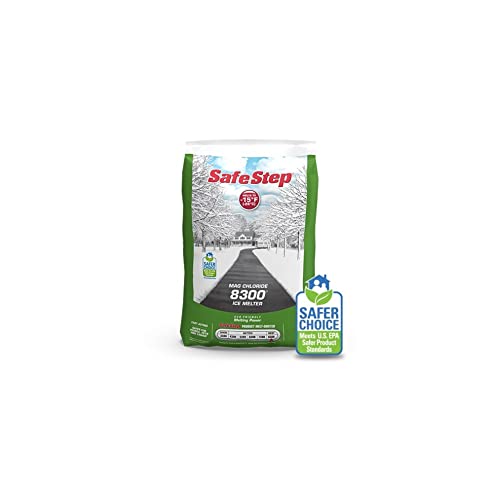 Safe Step Extreme 8300 Magnesium Chloride Ice Melter, 50 lb 100% magnesium chloride hexahydrate from Compass Minerals' Safe Step line, published to -15°F, in a 50 lb bag that costs a fraction per pound of the small pet-marketed tubs. | Magnesium chloride by the bag, at the lowest cost per pound | 8.1/10 | $49.78 - View on Amazon #ad affiliate link · Price as of October 3, 2026 |
| 4 |  Snow Joe AZ-50-EB Premium Enviro Blend Green-coated crystals carrying calcium magnesium acetate for corrosion inhibition — the compromise blend when you cannot use one chemistry everywhere. Our skip-this pick | Mixed surfaces on one bag | 7.9/10 | $34.97 - View on Amazon #ad affiliate link · Price as of October 3, 2026 |
Chloride-free, on decks and new concrete
Safe Paw Ice Melt
The one product here with no chloride in it at all — the right answer on composite decking, new concrete and around metal.
Almost every de-icer on a hardware store shelf is a chloride: sodium, calcium, magnesium or potassium. Chlorides are cheap and they work, and the chloride ion is also the thing that corrodes rebar, attacks metal fixings and gets blamed for spalled concrete. Safe Paw contains none of them.
The chemistry is a crystalline amide core carrying glycols, and the manufacturer states it is non-corrosive and effective to -2°F, with coverage of about 100 square feet per pound. That coverage figure is unusually useful: a 35-pound pail covers roughly 3,500 square feet at the stated rate, which is several storms on a normal driveway and walkway.
The -2°F floor is the honest trade. Calcium chloride keeps working far below that; this does not. On a genuinely cold night in a cold climate a chloride-free product will underperform, and pretending otherwise would be a disservice.
Where it wins outright is on surfaces where chloride is the risk rather than the temperature: composite decking, concrete poured within the last year, anything with exposed metal fasteners, and beds where salt-sensitive plants sit downhill of the runoff.
What works
- No chloride at all, which removes the entire concrete-and-metal argument
- 100 sq ft per pound is a published coverage figure you can budget from
- Traction agent included, so it does something even where it is too cold to melt
What does not
- -2°F is warmer than calcium chloride's floor — it is not the deep-cold answer
- Costs substantially more per pound than any chloride
- The glycol carrier can leave a residue that tracks indoors
A small tub of magnesium chloride, with a scoop
FIREKI Pet Safe Ice Melt, Magnesium Chloride
Pure magnesium chloride with no additives or dye in a 15 lb tub with a scoop — but its published -35°F is colder than magnesium chloride brine can stay liquid, so plan around the chemistry's real floor instead.
The Green Gobbler Pet Safe ice melt we used to list here is no longer available, and the brand's ice melt line has gone from the retailer we link to. This is the closest comparable product we can verify is in stock: pure magnesium chloride, in the same 15-pound size.
Every de-icer works the same way: it dissolves into the thin film of water on the ice and lowers that water's freezing point. What differs is which salt does the dissolving, how cold it keeps working, and what it does to concrete, plants and paws. Magnesium chloride sits at the mild end of the working chlorides.
FIREKI states the product is pure magnesium chloride with no additives and no coloring, and publishes a working temperature of -35°F. That temperature is the figure to discount. Texas DOT gives magnesium chloride's eutectic — the coldest point at which its brine can stay liquid at all — as about -28°F, and the Minnesota Pollution Control Agency puts its lowest practical pavement temperature at -10°F. A claim of -35°F sits below both, so plan around -10°F as you would for any magnesium chloride, and switch to calcium chloride or grit below it. magnesium chloride ice melt explains the numbers.
The pet claim deserves a precise reading. Magnesium chloride is less likely to irritate paws than rock salt, which is why it is sold this way. It is not food, and "pet safe" is not "pet edible". Wipe paws after walks regardless. It is also still a chloride, so keep it off concrete poured within the last twelve months — does ice melt damage concrete explains why, and pet-safe ice melt covers the chloride-free alternative.
What works
- No dye, so nothing to stain decking seams or track indoors as color
- Magnesium chloride is the least paw-irritating of the common working chlorides
- Scoop included for measured application
What does not
- "Pet safe" means less irritating, not edible — it is still a chloride salt
- The published -35°F is colder than magnesium chloride's eutectic of about -28°F (Texas DOT) and far below the -10°F practical pavement floor the Minnesota Pollution Control Agency gives, so it is not a figure to plan around
- Costs several times as much per pound as a 50 lb bag of the same chemistry
- No published coverage rate, so you cannot budget a season from the bag
- Attracts moisture and can leave a slick residue if over-applied
Magnesium chloride by the bag, at the lowest cost per pound
Safe Step Extreme 8300 Magnesium Chloride Ice Melter, 50 lb
100% magnesium chloride hexahydrate from Compass Minerals' Safe Step line, published to -15°F, in a 50 lb bag that costs a fraction per pound of the small pet-marketed tubs.
Safe Step is Compass Minerals' consumer ice melt line, and the Amazon listing sells this bag under the North American Salt name with the model number 53851. The maker describes the 8300 as 100 percent magnesium chloride hexahydrate — the ordinary hydrated crystal form of the salt, with no calcium chloride or rock salt blended in to cut the cost.
Its published working temperature is -15°F. That figure is worth a second look precisely because it is unremarkable. Texas DOT puts magnesium chloride's absolute limit, its eutectic, at about -28°F, and the Minnesota Pollution Control Agency puts its lowest practical pavement temperature at -10°F. A claim of -15°F sits between those two numbers, which is where an honest maker's figure for this chemistry should sit.
Safe Step makes one bolder claim: that the 8300 acts 75 percent faster than sodium chloride below 5°F. We have no way to check that figure and it is the maker's own. The direction of it is not controversial, though — rock salt's practical floor is around 15°F, so by 5°F it is working slowly if at all, and almost any magnesium chloride will outpace it there.
The reason to buy this bag over the small pet-marketed tubs is cost. A 50-pound bag of the same chemistry works out to a fraction of the per-pound price of a 15-pound tub, and magnesium chloride does not improve with better packaging.
The concrete claim needs the same care as the temperature one. Safe Step says the product is gentler on concrete used as directed. The Minnesota Pollution Control Agency's comparison rates magnesium chloride moderate-to-high risk to the concrete itself, citing paste deterioration from magnesium. Both can be true of light, occasional use. Neither makes it safe on a slab poured in the last twelve months — magnesium chloride ice melt lays out the evidence.
What works
- The maker states the chemistry precisely: 100% magnesium chloride hexahydrate, not a blend
- A published -15°F sits inside what the chemistry can actually do, rather than beyond it
- The 50 lb bag is the cheapest way to buy magnesium chloride that we can verify is in stock
- Crystal form, which the maker says resists scattering where you do not want it
What does not
- No published coverage rate, so you cannot budget a season from the bag
- "Gentler on concrete" is the maker's claim; the Minnesota Pollution Control Agency rates magnesium chloride higher risk to the concrete itself than calcium chloride or rock salt
- The 75%-faster-below-5°F figure is Safe Step's own and we cannot verify it
- Hygroscopic: an opened bag pulls moisture from the air and cakes unless it is sealed
Mixed surfaces on one bag
Snow Joe AZ-50-EB Premium Enviro Blend
Green-coated crystals carrying calcium magnesium acetate for corrosion inhibition — the compromise blend when you cannot use one chemistry everywhere.
Skip this one
On a page about a product that publishes its working temperature, a blend that publishes none cannot be the comparison that settles anything. The Snow Joe CMA blend is a reasonable mixed-surface product and we say so elsewhere — but if you are weighing Safe Paw's -2°F against an alternative, you need the alternative's number, and this listing does not give one.
Calcium magnesium acetate — CMA — is not a chloride, and that is the entire point of it. It is used by transport agencies specifically where chloride corrosion of steel is unacceptable, and its inclusion here is why Snow Joe positions this blend as safer for concrete and metals.
The green coating is a better idea than it looks. Ice melt is almost always over-applied, because you cannot see white crystals on white snow and so you keep spreading. A colored product shows your coverage, and coverage discipline is what keeps chloride out of your soil and product in the bag.
The missing figure is the working temperature, which the listing we read does not publish. Acetate-based and blended products generally give up some cold performance in exchange for gentleness, so treat this as a moderate-cold product until the maker publishes a number.
It is a sensible default for the common real-world case: a driveway with a lawn edge, a metal railing and a concrete walk, where you want one bag rather than three. If it is genuinely cold, reach for calcium chloride instead.
What works
- Calcium magnesium acetate is a recognized corrosion inhibitor, not marketing language
- The green coating shows you where you have already spread — which is how you avoid over-applying
- Positioned for mixed surfaces where one chemistry will not do
What does not
- No published lowest effective temperature on the listing we read
- The colorant can track indoors on boots and paws
- Blends always trade some cold-temperature performance for gentleness
How it compares to the chlorides we list
Against FIREKI's magnesium chloride — the mildest working chloride we list. That product is cheaper per pound and keeps working colder, and it is still a chloride salt around your fixings and your dog's paws. It also publishes a -35°F figure that is below what magnesium chloride can physically do, which is covered on magnesium chloride ice melt. Safe Paw's figure is modest and believable.
Against Safe Step 8300 — a straightforward, well-documented 100% magnesium chloride at a fraction of the per-pound price, published to -15°F. If cold performance is your binding constraint and surfaces are mature, this is the rational buy and Safe Paw is not.
Against the Snow Joe CMA blend — positioned for mixed surfaces and corrosion inhibition, but it publishes no working temperature at all, which is why it is this page's skip rather than its comparator.
The verdict
Safe Paw earns its reputation on a narrow, well-defined claim: it removes the chloride problem completely, and it publishes the two numbers — -2°F and 100 square feet per pound — that let you work out whether that trade suits your winter.
Buy it for new concrete, decking, metal and pets, and buy it knowing that on your coldest nights it is not the tool. The households that are happiest with it own a bag of calcium chloride as well and understand exactly when each comes out.
Buy it as a general-purpose driveway de-icer in a cold climate and you will be disappointed — not because it is a bad product, but because you bought the wrong trade.
Questions people ask
Does Safe Paw actually work?
Is Safe Paw safe for dogs?
Is Safe Paw safe on new concrete?
Why is Safe Paw so expensive?
How cold does Safe Paw work?
Safe Paw or magnesium chloride?
Sources
Next stage
The rest of the pet-safe shelf
Safe Paw is the chloride-free benchmark. Here is what every other bag marked pet safe actually contains, and which claims survive reading.
Keep goingAbout the author
Scooter M.
An enthusiast who is genuinely into this. I read the manuals, compile the published specs, and do the math on door clearances. No lab coat, no test bench, and nothing here is a product I have used - which is exactly why every claim carries a source.
Published by Slate Mill Group, with the Shovel Report team. Published October 3, 2026; last updated October 3, 2026. Editorial policy.
Read next

Best Pet Safe
Best Pet Safe Ice Melt
What "pet safe" means on a label, and the products that genuinely contain no chloride.

By Temperature
What Temperature Does Ice Melt Stop Working?
Published working temperatures by chemistry, and what to spread below them.
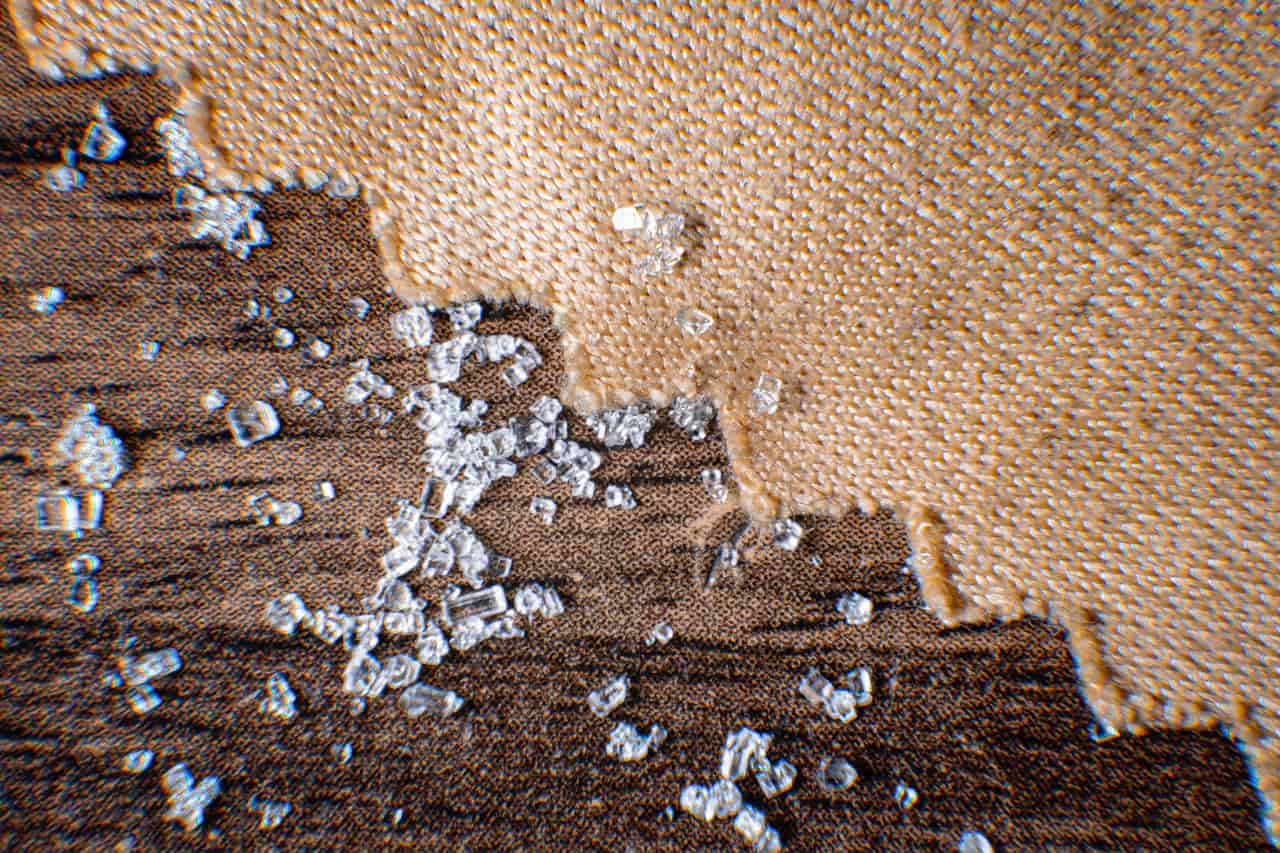
Best for Concrete
Best Ice Melt for Concrete
Chloride type against concrete age and condition, with the real damage mechanism explained.
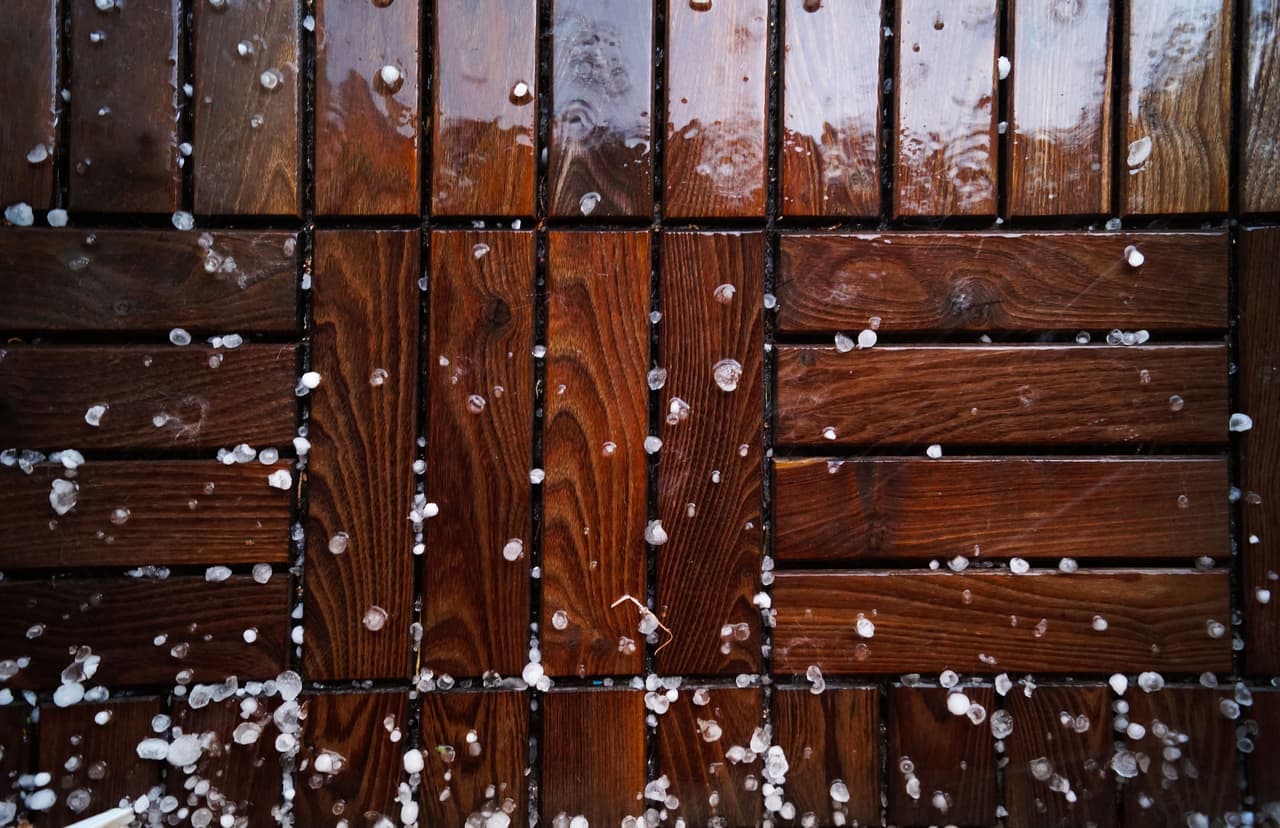
Best for Decking
Best Ice Melt for Composite Decking
Chloride-free defaults for composite boards, and why the manufacturer's guidance is authoritative.
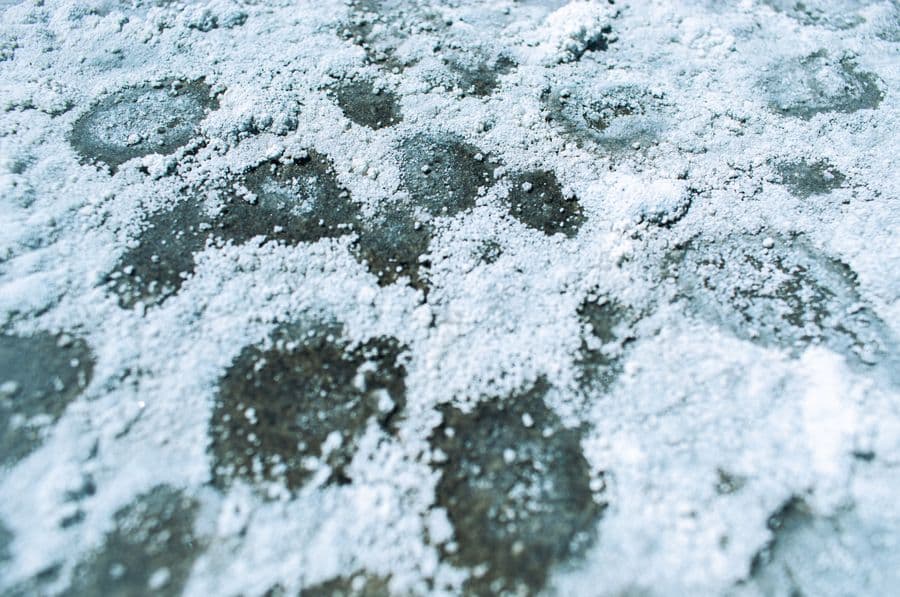
Best Magnesium Chloride
Magnesium Chloride Ice Melt
How cold magnesium chloride really works, what it does to concrete, and the bags we would buy.