These guides explain the mechanisms our product pages rely on: why chlorides damage concrete, why auger clearance decides gravel compatibility, and why shoveling technique is a cardiac and lumbar question rather than a style preference. Every factual claim here carries a source.
Why a review site publishes guides at all
Because our recommendations are only as good as the reasoning behind them, and we would rather show that reasoning than assert conclusions. We have not tested this equipment. What we have done is read the manuals, compile the published specifications and do the arithmetic — and our methodology page sets out exactly what that does and does not entitle us to say.
That means the guides carry the load that testing carries elsewhere. If we tell you a two-stage machine is the requirement on gravel, the guide that explains auger clearance is where you check that we are right.
Safety comes before technique
Snow shoveling is a genuine cardiac risk, and this is not a disclaimer added for form. It combines cold air, which constricts blood vessels and raises blood pressure, with sudden strenuous exertion, often first thing in the morning, in someone who has not exercised since the last storm. That combination is why emergency departments see a spike after major snowfalls.
The lumbar risk is separate and more common: a loaded shovel held at arm's length multiplies the force on the lower spine, and the twisting throw people default to is close to a worst-case loading pattern. Both are addressed in how to shovel snow properly and how to shovel without back pain.
The surface-damage guides
The most common question in this category is not which product is best, it is whether the product will wreck something. That is a mechanism question, and mechanisms are checkable.
The equipment-choice guides
These are the comparisons that decide which category you are shopping in, before you compare individual products.
- Snow shovel versus snow blower — with the throughput arithmetic that makes the answer numerical rather than a matter of taste.
- Snow plow versus snow blower — when a plow blade on a vehicle is the right answer, and the ground conditions it needs.
- Using a snow blower on gravel — the skid-shoe setup that makes it work and the one that breaks a window.
- Snow pusher versus snow shovel — sliding against lifting, and why most driveways want both tools.
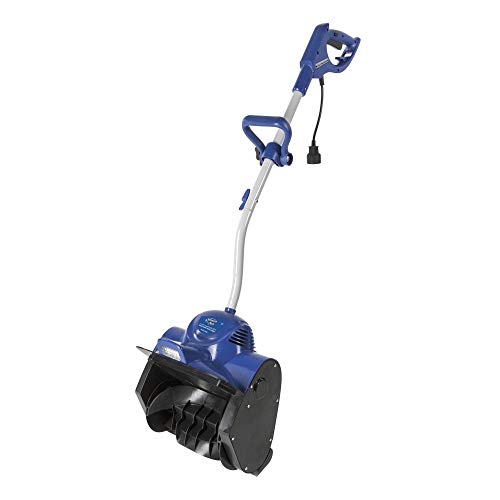
- Electric snow shovel versus snow blower — a third of the throughput, and you carry it.
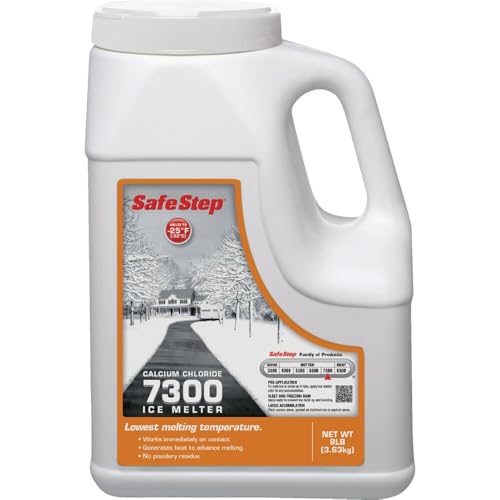
- Ice melt damage by surface — grass, metal, wood, stone and paws, mechanism by mechanism.
- Electromagnetic snow removal claims — a claim check on a category that does not survive the physics.
- Snow removal glossary — every term on a spec sheet, defined in one line.
- Driveway markers — the autumn job that decides whether a plow finds your pavement in February.
- How to stop snow sticking to your shovel — why wet snow welds itself to a blade, and which coatings actually help.
- How to remove an ice dam — the emergency channel, the methods that cost you shingles, and the attic fix underneath it all.
- Snow guards for a metal roof — why metal sheds its whole load at once, and which mounting method your panels allow.
How we source these
In priority order: manufacturer specification sheets and owner's manuals first, published standards and institutional guidance second, retailer listing data third for physical facts only, and aggregated owner reports last and always labeled as such. Where sources conflict we say so and show both. Where we do not know, we write that we do not know — which happens more often than most review sites would admit, and is the reason to trust the parts where we do.
Every guide carries a byline and a real last-updated date driven by actual content change. Our correction policy is on the editorial policy page: material errors get a dated note on the page, not a silent edit.