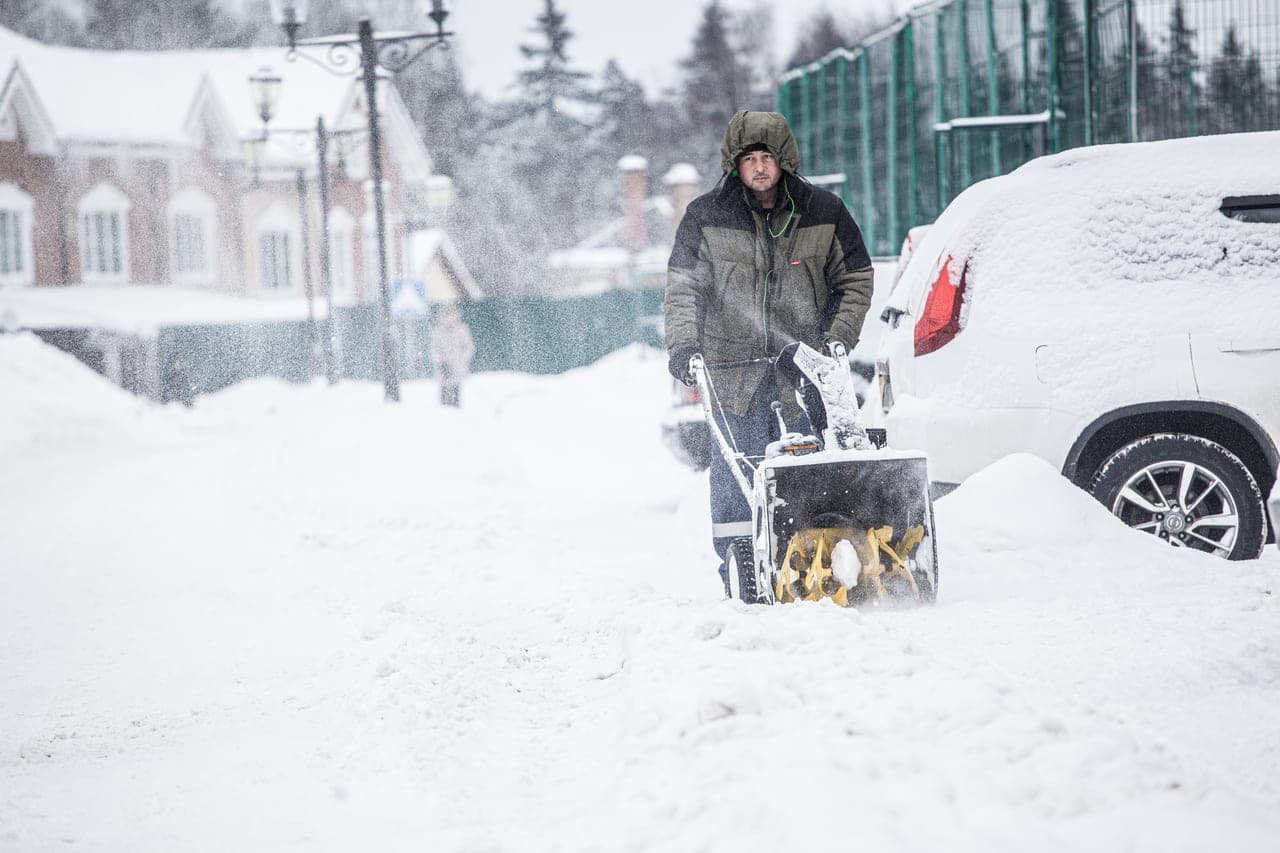
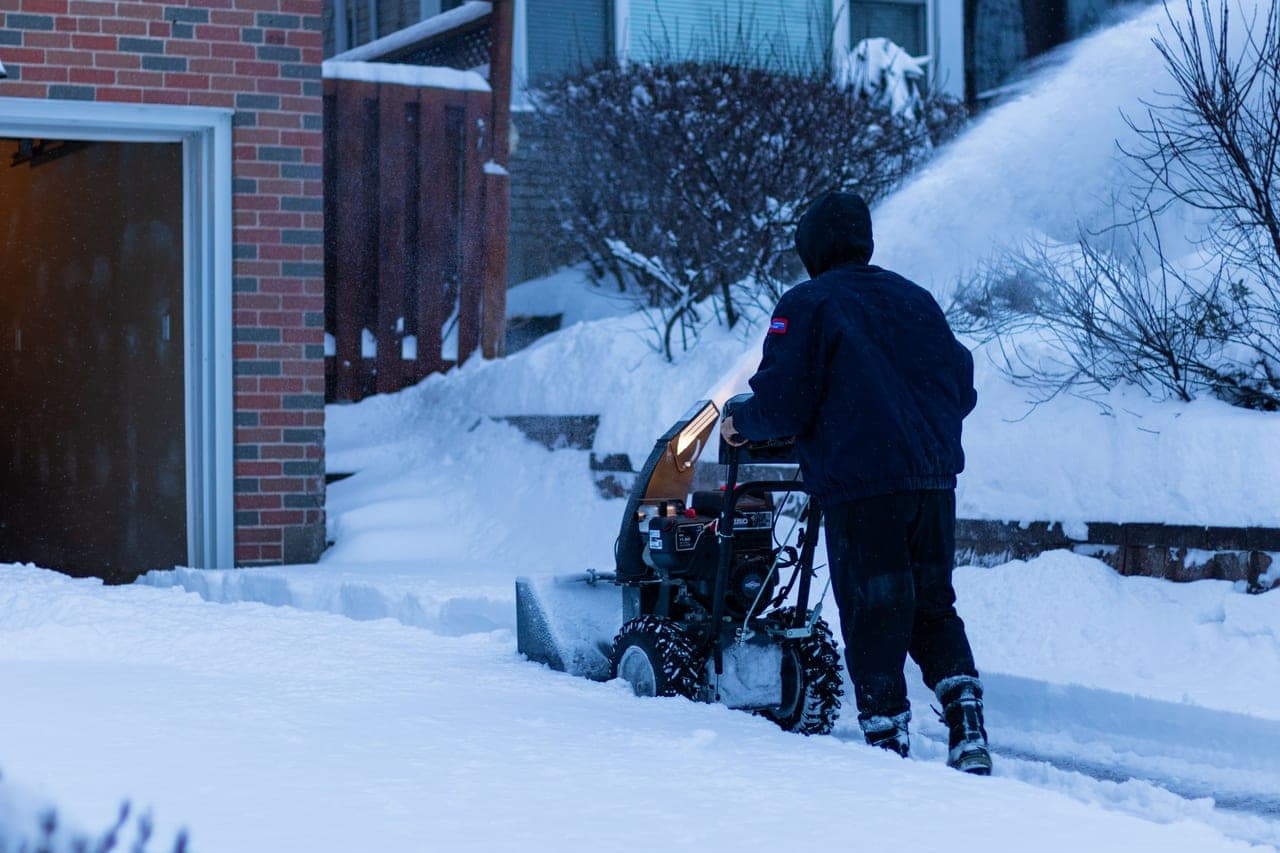
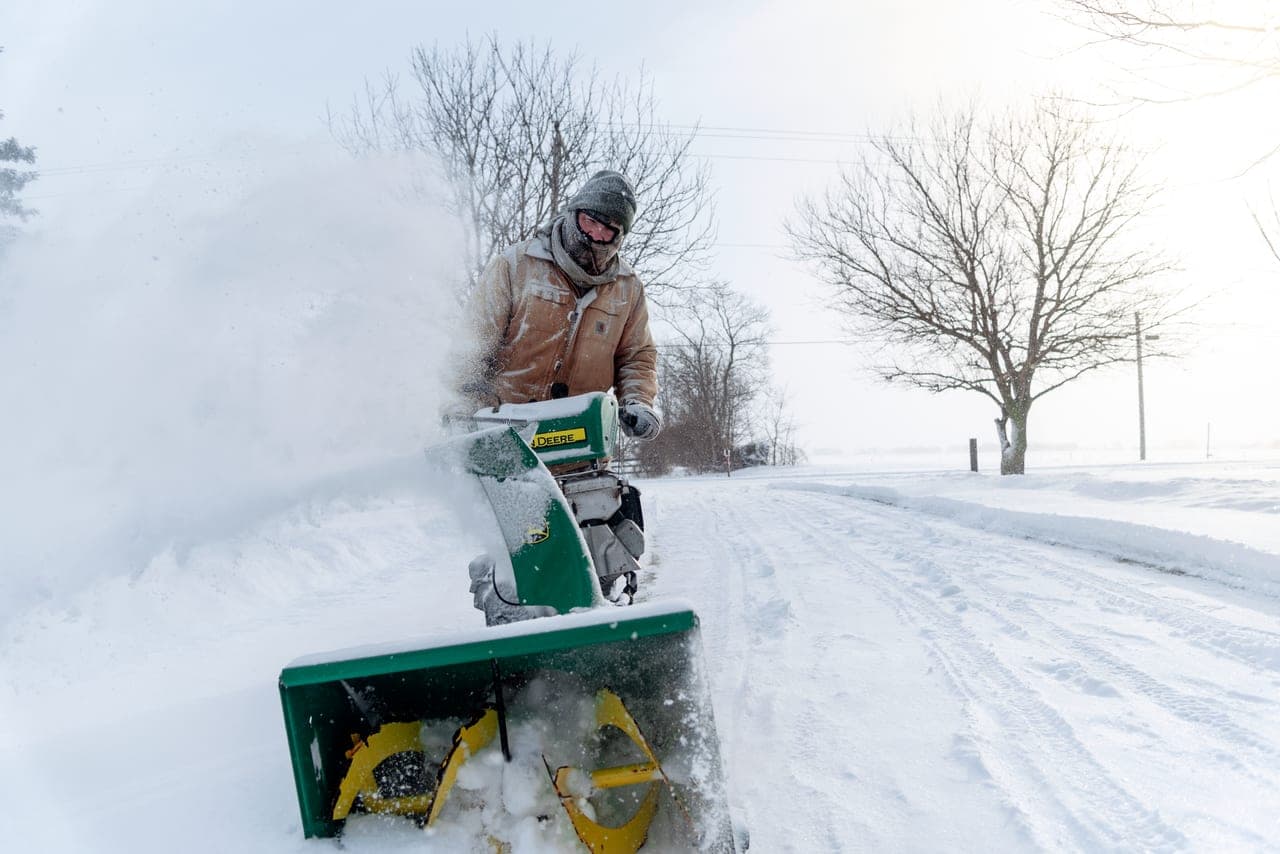
A single-stage snow blower runs its auger against the ground, so it clears to bare pavement and cannot be used on gravel. A two-stage machine rides on adjustable skid shoes with the auger held clear of the surface, which is what makes gravel, pavers and rough asphalt workable. Choose the stage first and the width second.
What one stage and two stages actually mean
This is the single most useful distinction in the category, and shop listings bury it under clearing widths and horsepower.
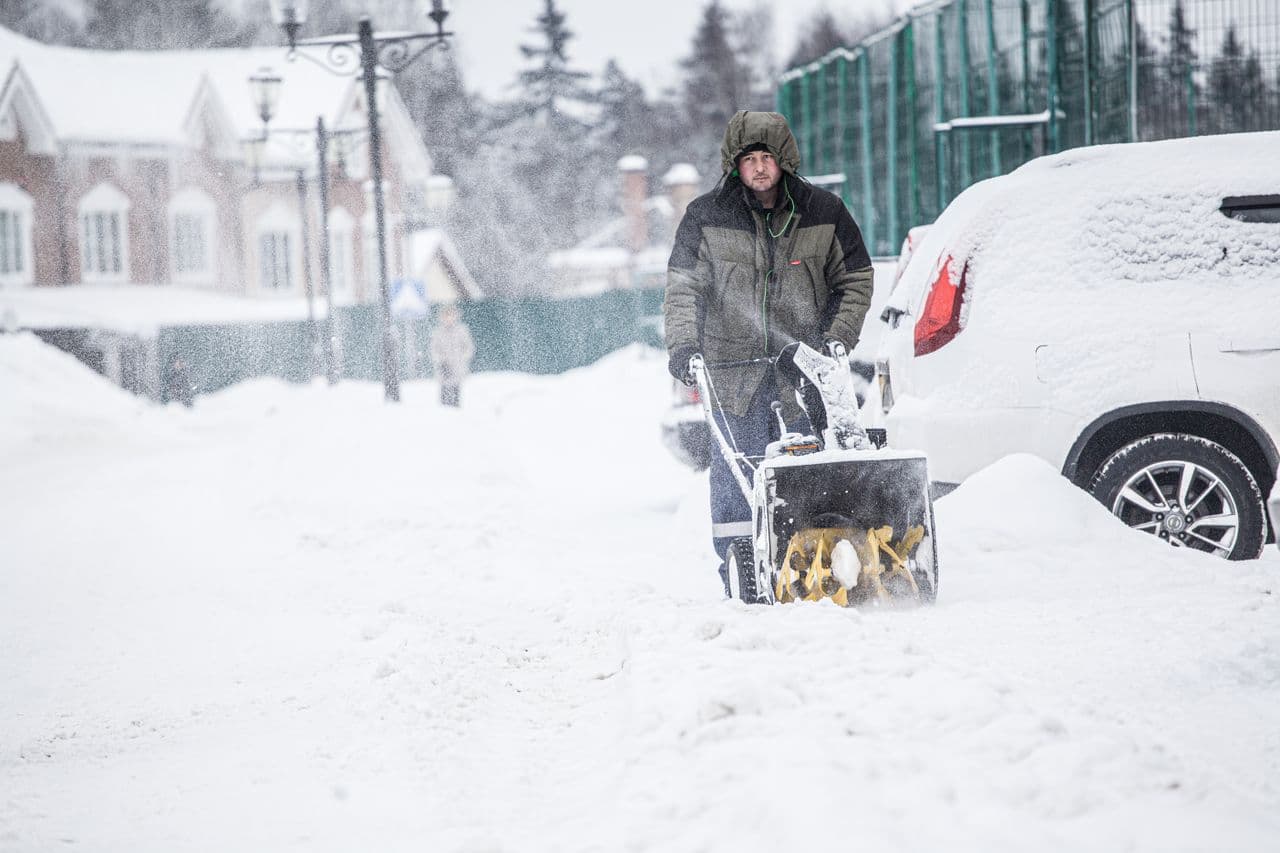
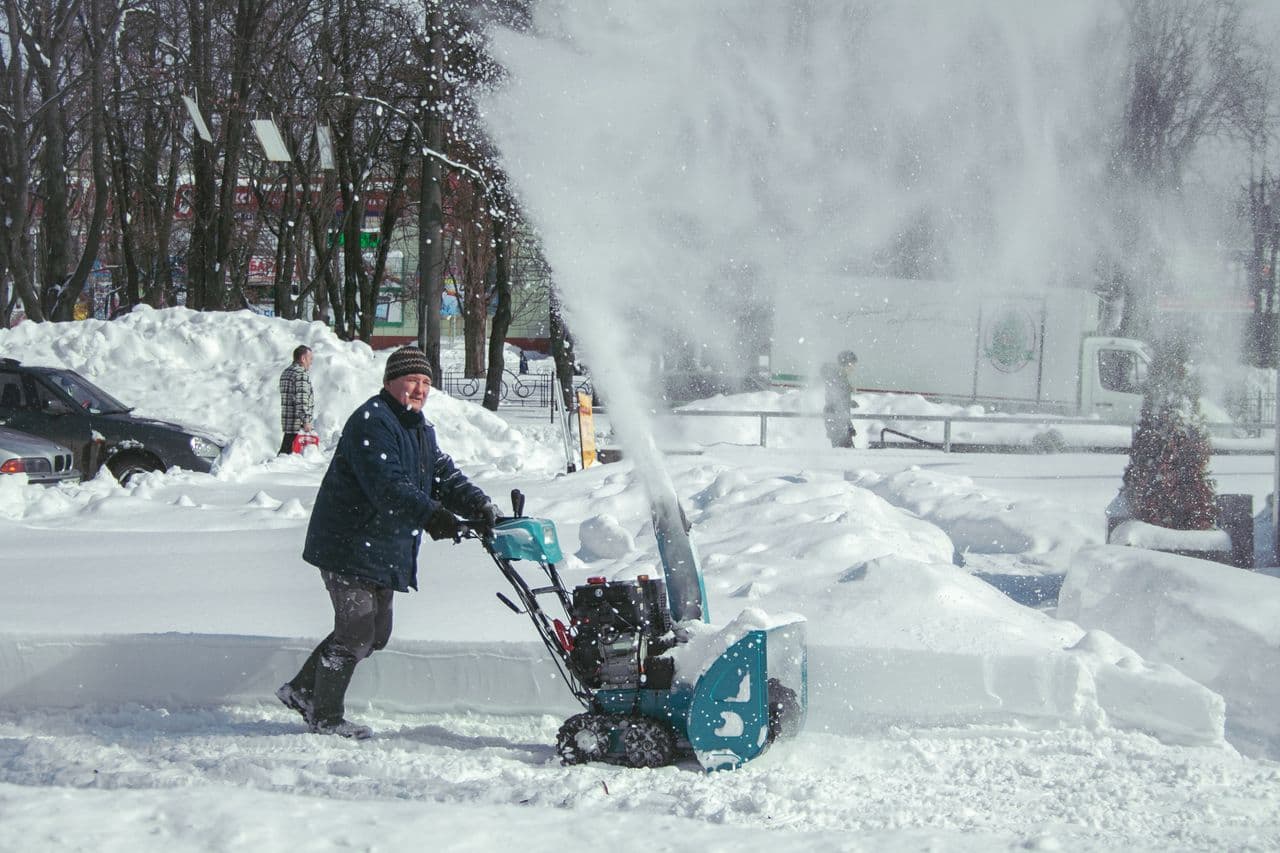
Single stage. One rubber- or steel-edged auger both gathers the snow and throws it, and it does that by touching the surface. The contact is the feature: it is why a single-stage machine scrapes down to bare concrete. It is also why it will pick up a stone from a gravel drive and throw it 25 feet at whatever is in the way.
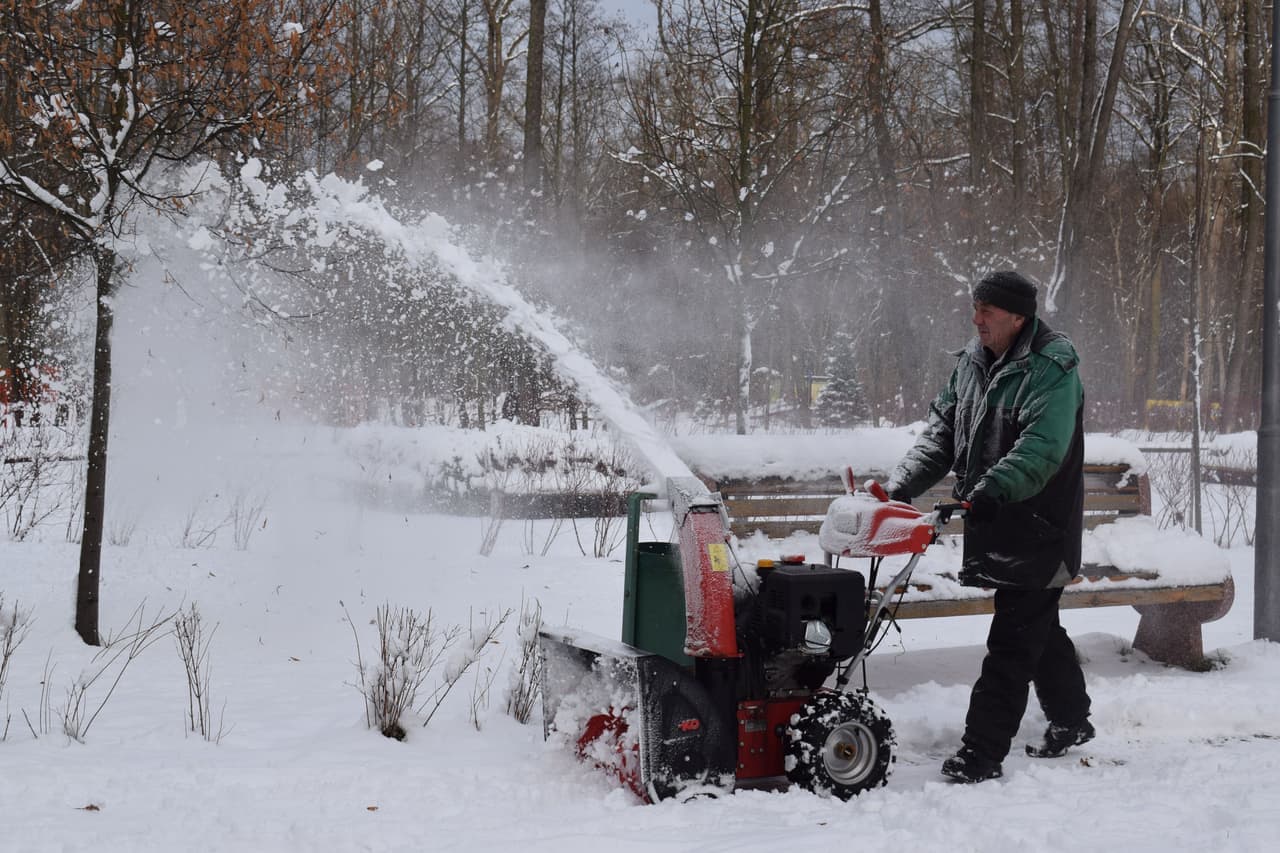
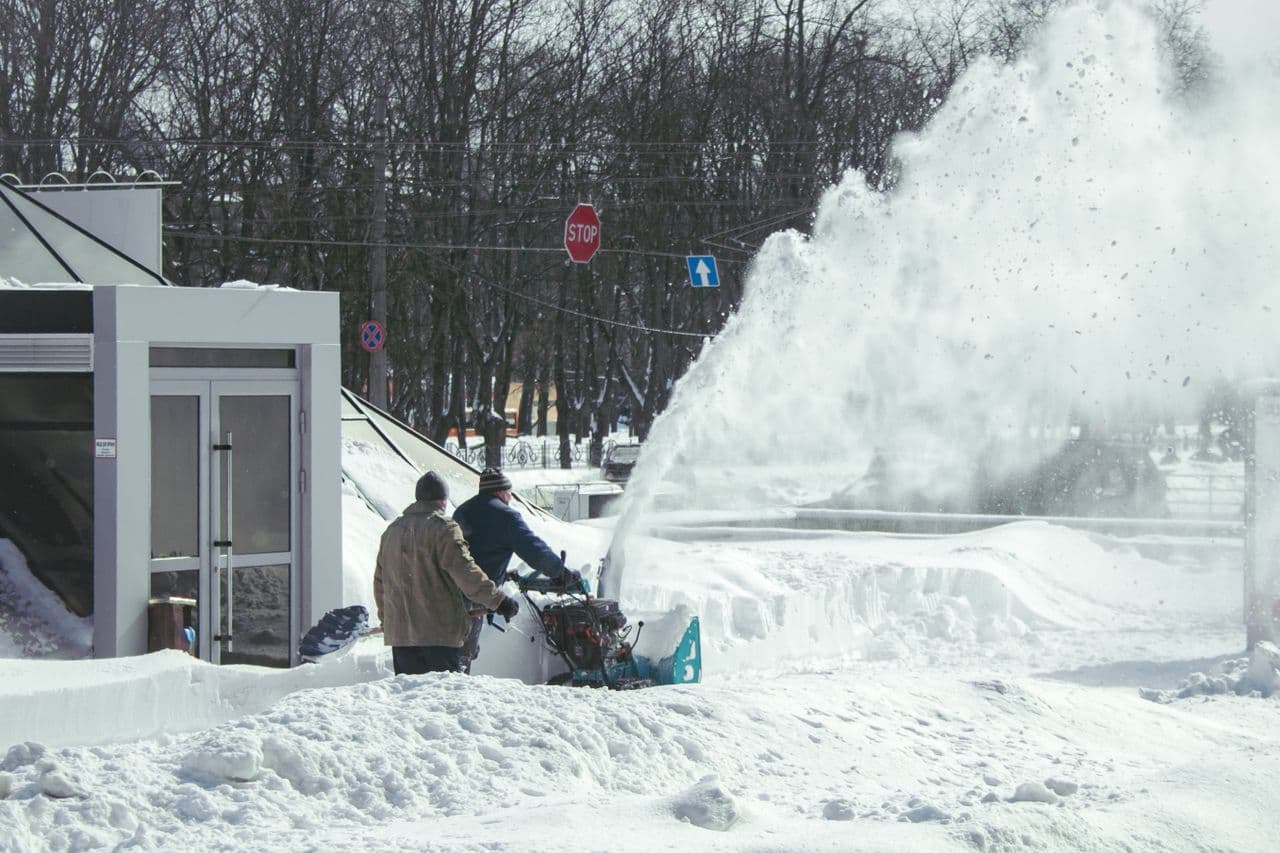
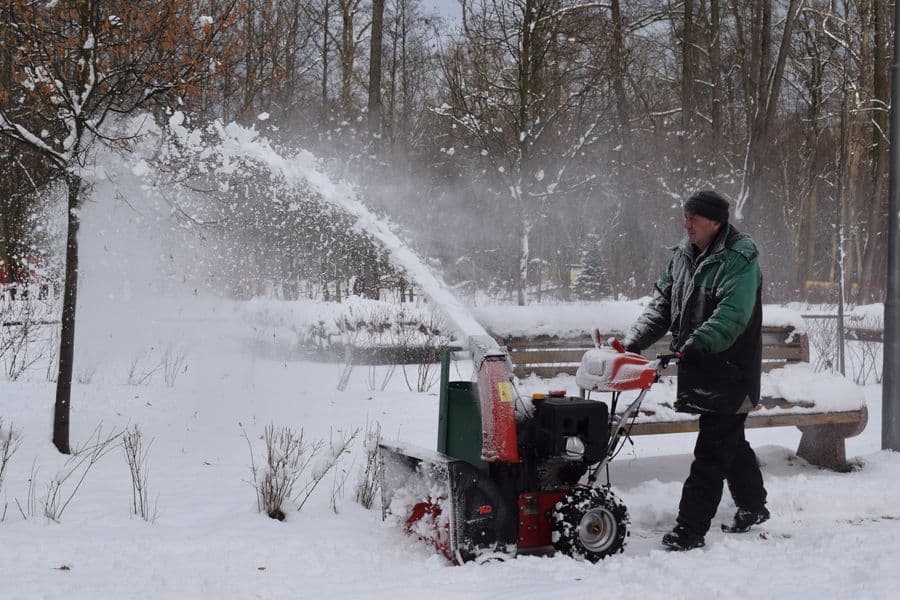
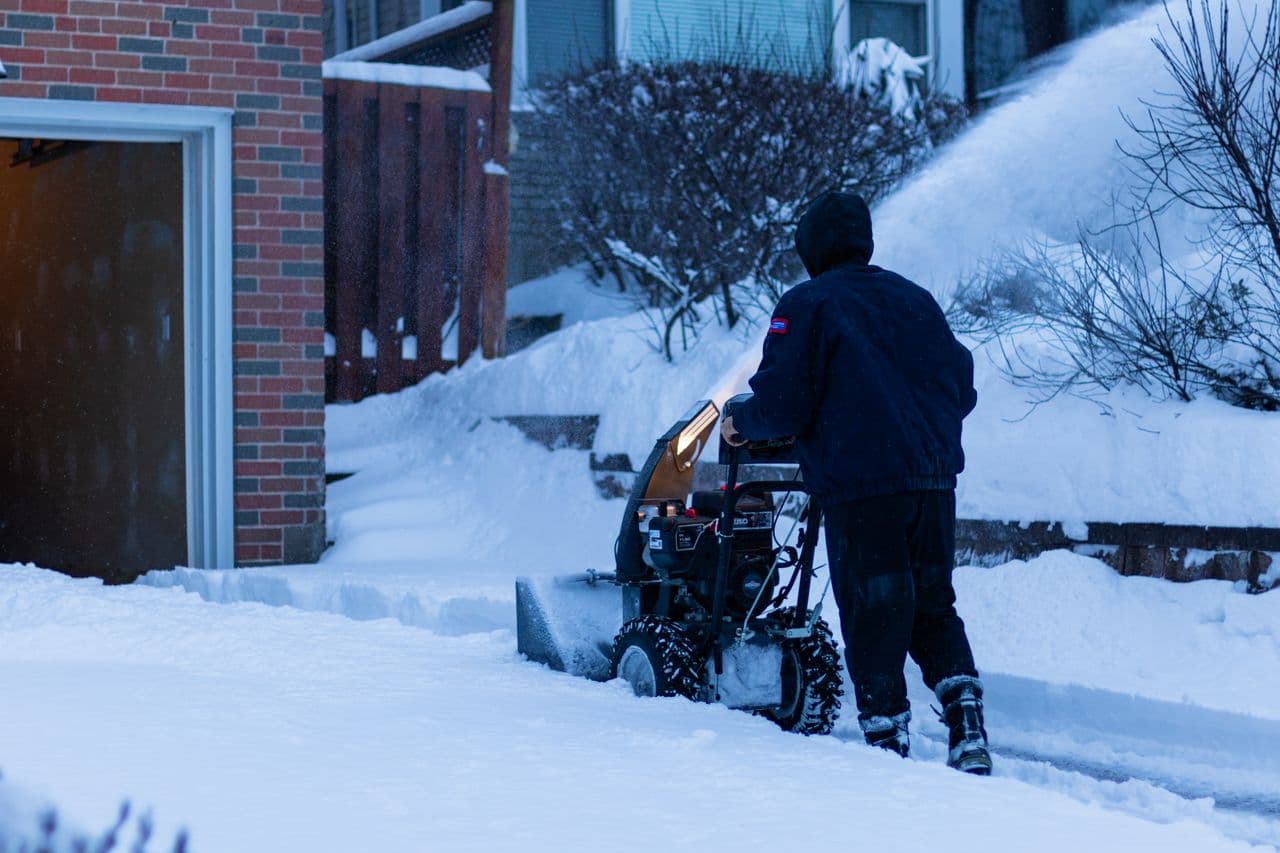
Two stage. A serrated auger gathers the snow and feeds it to a separate impeller that does the throwing. The whole assembly rides on adjustable skid shoes, so the auger sits above the surface rather than on it. That gap is why two-stage machines work on gravel, on frost-heaved pavers and on rough asphalt — and why they leave a thin packed layer behind rather than clearing to bare ground.
There is a third category, sometimes called three-stage, which adds an accelerator to feed the impeller faster. It is a throughput refinement, not a surface one. The full decision is in single-stage versus two-stage.
How to read a snow blower spec sheet
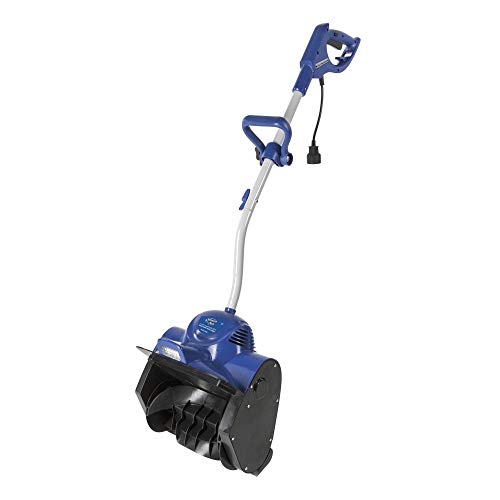
Throughput is the number worth hunting for because it converts to minutes. Snow Joe publishes up to 840 lb/min for its 22-inch corded machine; a 20-by-40-foot driveway under six inches of fresh snow is very roughly two to four thousand pounds. That is a few minutes of machine time, and the rest of the clock is you walking.
Corded, battery or gas
Corded machines are the cheapest way to real throughput. A 15-amp motor never fades and never needs charging, and the price gap against an equivalent battery machine is large. The cost is a heavy, cold-rated extension cord and a working radius equal to its length.
Battery machines have closed most of the performance gap on residential-size driveways, and the good ones publish enough to check: a two-pack 56 V 5.0 Ah kit carries 560 watt-hours, a 7.5 Ah kit 840. Runtime scales with that number and shrinks with snow density.
Gas still owns the top of the market — the large two-stage machines that clear long rural driveways after a foot of wet snow. We cover gas honestly in electric versus gas, including a point of transparency: the premium gas two-stage machines that dominate editorial roundups are largely not sold through the retailer we link to, so you will find no buy buttons for them here. We would rather say that than pretend a recommendation exists.
Sizing to the driveway, not to the storm
- Short concrete drive, up to 2 cars — a 21- or 22-inch single-stage machine, corded if your outlet reaches. See short driveways.
- Not sure which width — work through what size snow blower you need before comparing models.
- Buying for an older adult — starting, self-propulsion and published weight reorder the priorities. See snow blowers for seniors.
- Long driveway — battery capacity or a gas tank is the constraint, not width. See long driveways.
- Gravel — two-stage, no exceptions. See gravel driveways.
- Pavers or decorative concrete — two-stage on high skid shoes, or a poly pusher. See paver driveways.
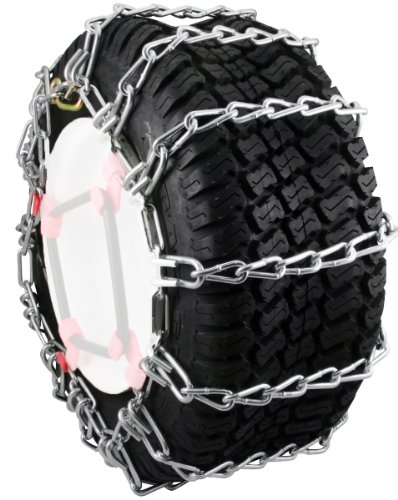
- Steep grade — self-propelled, and think hard about weight. See steep driveways, and tire chains if it still slides.
- Already own a machine — the parts that decide how it behaves are cheap: skid shoes, shear pins and a storage cover.
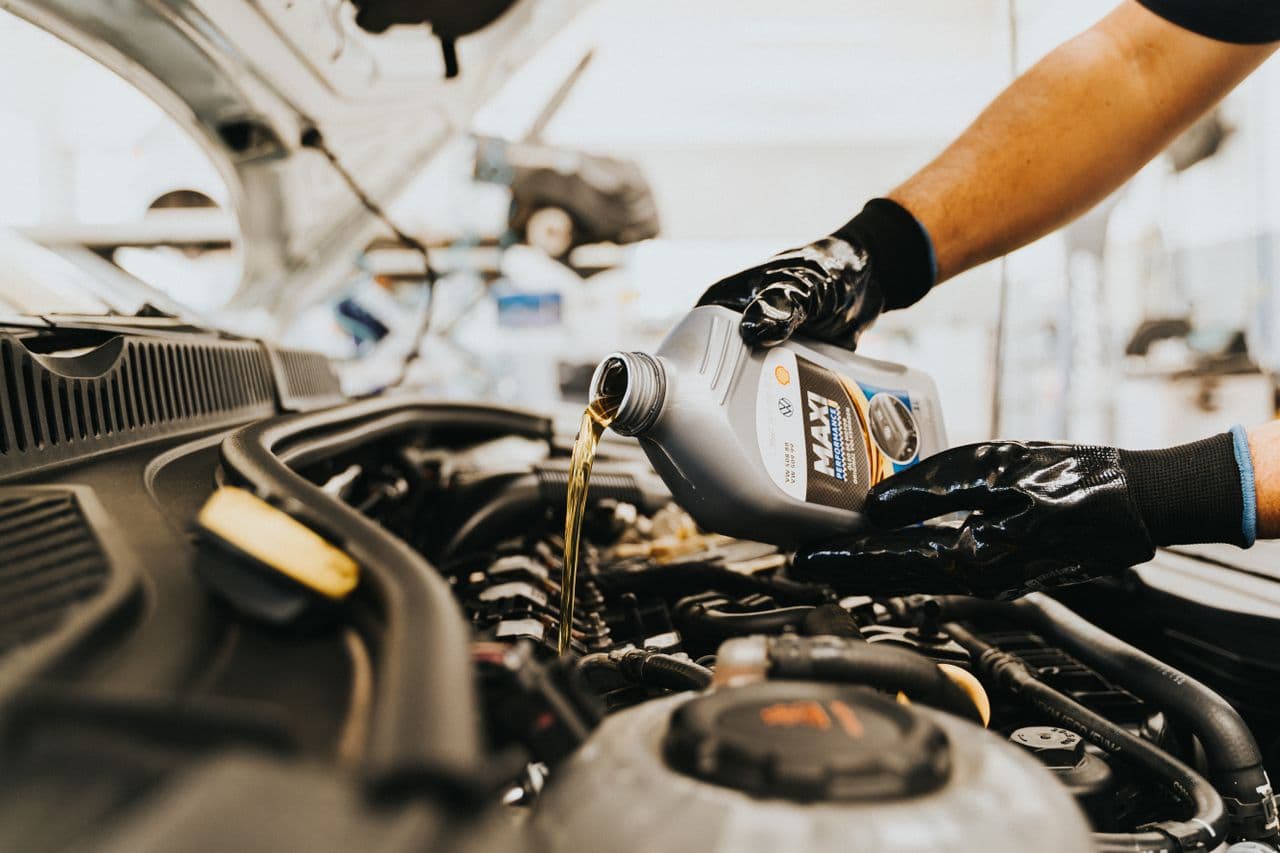
- Getting it ready for winter — fuel, oil, plug and wear parts, in the order that matters: snow blower maintenance.
- Want the corded option reviewed in full — Snow Joe SJ627E review.
Two safety rules that are not optional
Never clear a clogged chute with your hand, even with the engine off — the auger stores energy and can rotate when the blockage releases. Use the clean-out tool the machine came with. And keep the machine off gravel unless it is a two-stage on properly set skid shoes; thrown stone is the injury nobody expects.