
By Scooter M. · Last updated September 6, 2026
Shovel Report earns a commission when you buy through the links on this page, at no extra cost to you. It does not change what we recommend, and we publish a skip-this verdict on products we could otherwise earn from. Full disclosure.
An electric snow shovel clears an 11 to 14-inch path and is carried in your arms; a snow blower clears 21 to 22 inches, rolls on its own wheels and moves roughly three times the snow per minute. The shovel is correct for walkways, steps and decks. For any driveway, the blower is the tool — often for less money.
The numbers, from the makers who publish them
Two manufacturers in this category publish throughput, which makes the comparison unusually concrete. Toro rates its 12-inch Power Shovel at up to 300 pounds of snow per minute. Snow Joe rates its 22-inch corded blower at up to 840 pounds per minute. Both are best cases on light snow at full walking pace, so treat them as ceilings — but the ratio between them is the useful part, and it is close to three to one.
Class against class, on published figures
The weight figure is misleading in your favor
A powered shovel weighs 13 to 17.2 pounds where the maker publishes a figure. A corded blower weighs a published 35. On paper the shovel is less than half the machine.
In use it is the opposite, because of where the weight goes. The blower's 35 pounds are carried by its wheels and you steer it. The shovel's 17 pounds are carried by your arms, held out in front of your body, for the entire clear — and the auger's bite pulls forward while you do it. There are no wheels on any tool in that class.
That is why a heavier machine is routinely easier on the body than a lighter tool, and it is the single most counterintuitive thing on this page. It matters most for anyone managing strength or balance — see electric snow shovels for seniors and snow blowers for seniors.
Quick picks
Ranked against the criteria below. Tap a row to jump to the full write-up; the price button goes straight to Amazon.
Best-documented specs in the class
Toro 38361 Power Shovel
12 inches, 13 pounds, 300 lb/min, 20-foot throw — Toro publishes every number, which almost nobody else here does.
Toro publishes what everyone else omits: 12 inches of clearing width, up to 6 inches of depth, a 7.5-amp motor, a 20-foot throw, 300 pounds per minute of capacity, 13 pounds of tool weight, and 6 inches of telescoping handle adjustment. On a site that scores products on published specifications, that transparency counts for a lot.
The 300 lb/min figure is the one to reason from, because it lets you do arithmetic nobody usually can. A 20-by-30-foot driveway under 4 inches of fresh snow holds very roughly 1,500 to 2,500 pounds of snow depending on density. At 300 pounds a minute that is something like 5 to 8 minutes of continuous machine time, plus the walking, turning and repositioning. Compare that with the Snow Joe SJ627E's stated 840 lb/min and the size difference becomes concrete rather than vague.
At 13 pounds it is the lightest powered tool here, and for a carried tool that is the spec that determines whether you finish the job or put it down.
It is a light-snow, small-area machine and Toro says so — sidewalks, steps, decks and small driveways. Point it at a two-car driveway after eight inches of wet snow and you will be disappointed for reasons that were printed on the box.
What works
- Every spec we wanted is published on Toro's own product page, including weight and lb/min
- 13 lb is light enough to hold out in front of you for a long clear
- Telescoping handle with 6 inches of adjustment actually fits different-height users
What does not
- 7.5 amps is the least powerful motor here
- 300 lb/min is roughly a third of what a 15-amp corded blower moves
- Corded, with all the cord problems that implies
Most snow moved per dollar
Snow Joe SJ627E 22-in Corded Snow Blower
840 pounds of snow a minute from a wall socket, at 35 pounds and a fraction of a cordless machine's price.
This machine exists to make a point about arithmetic. Snow Joe states it moves up to 840 pounds of snow per minute through a 22-inch by 13-inch intake. The best-documented electric shovel in this build, the Toro Power Shovel, is rated at 300 pounds per minute through a 12-by-6-inch path. That is not a small difference in degree; it is a different job.
Work through a driveway with it. A 20-by-40-foot drive under 6 inches of fresh snow contains very roughly two to four thousand pounds of snow depending on density. At the stated 840 lb/min that is a few minutes of actual throughput — the clock is dominated by walking and turning, not by the machine.
The 13-inch intake depth is the underrated spec. Most single-stage machines in this price class top out around 8 to 10 inches, which means a foot of snow needs layered passes. Thirteen inches takes most storms in one.
The cord is the price. Fifteen amps over a long, thin extension cord is a voltage-drop problem, so you need a heavy-gauge, cold-flexible outdoor cord, and you spend the whole clear aware of where it is. Measure your outlet-to-far-corner distance before you buy — beyond about 100 feet, go cordless.
What works
- 840 lb/min is roughly triple what the best electric shovel here moves
- 13 inches of intake depth handles a real storm in one pass
- 35 lb published weight makes it manageable to turn and store
What does not
- Corded, so your working radius is a cord length
- 15 amps needs a properly rated cold-weather extension cord
- Single-stage: no gravel, and limited on steep grades
Lightest cordless with a published weight
Snow Joe 24V-SS13 Cordless Snow Shovel
13 inches wide, 17.2 pounds, dual-handle — the cordless shovel that publishes the number that decides whether you finish.
Weight is the spec that decides whether an electric shovel gets used, because you carry it — there are no wheels on any of these. At a published 17.2 pounds this is a tool most adults can hold out in front of them for twenty minutes. That is not true of everything in the category.
The path is 13 inches wide by 6 inches deep. Read the depth carefully: six inches is the maximum bite, not the maximum storm. In a 10-inch snowfall you take two passes at different heights, which is slower but perfectly workable — and is how you should be clearing anyway.
The 24-volt platform is the compromise. It keeps the tool light and cheap, and it is the reason the machine bogs in dense, wet snow where a 56-volt tool keeps its speed. If your snow is typically wet and heavy, the extra voltage is worth paying for.
One thing no cordless snow shovel currently offers is wheels. It is a common search and the answer is honest: this class is carried, not pushed. If you need something that rolls, you need an electric snow blower, not a shovel.
What works
- 17.2 lb is published, and it is genuinely light for a powered tool
- 13-inch path is a usable step up from the 11- and 12-inch class
- Dual-handle design keeps both hands on the tool and your back straighter
What does not
- 24 V has less headroom than 40 V or 56 V systems in wet, heavy snow
- 6-inch depth means you clear twice in a real storm
- Snow Joe's 24V platform is narrower than EGO's 56V
Best cordless blower overall
EGO Power+ SNT2112 21-in Snow Blower
A steel-auger 21-inch machine on two 56V packs, with a 40-foot stated throw and a warranty that says EGO expects it to last.
The steel auger is the reason this model exists. EGO's own comparison is against the SNT2102, which uses a rubber-edged auger, and they state the steel version cuts through ice and snow 50 percent faster. That is a manufacturer claim, but the underlying engineering is uncontroversial: a rigid steel edge bites crusted snow that a flexible one rides over.
It also changes where you can use it. A steel single-stage auger touches the ground — that is how single-stage machines clear to the surface — so on gravel it becomes a stone thrower, and on pavers or a sealed asphalt apron you want the highest skid setting and a slow walking pace.
EGO states up to 8 inches of snow on a 12-car driveway from two 5.0 Ah packs on one charge, and a throw distance up to 40 feet. Both are best-case figures on the maker's terms, and both are in the right order of magnitude for a two-battery 56V machine.
The warranty is the quiet signal. Five years on the tool and three on the batteries is longer than most of this category offers, and battery life is where cordless outdoor equipment usually disappoints. If your driveway is gravel, stop here and read that page instead — this is the wrong machine for it, whatever else it does well.
What works
- Steel auger, which EGO states cuts 50% faster than the rubber-edged SNT2102
- 40-foot stated throw is genuinely long for a battery machine
- 5-year tool and 3-year battery warranty
What does not
- Single-stage, so it is not a gravel machine and never will be
- Two 5.0 Ah packs are a significant share of the price
- 21 inches will feel narrow on a three-car driveway
The best cordless platform
EGO Power+ SNS1201 12-in Snow Shovel
A 12-inch 56V shovel with 60 degrees of chute control, on the battery platform with the most tools to grow into.
Skip this one
A 12-inch cordless shovel on a 56V platform costs more than a corded snow blower that moves several times the snow. It is the right tool if you are buying into EGO's battery system or clearing decks and steps — and the wrong purchase if a driveway is the actual problem and you are hoping a premium shovel will cover it.
Buying a cordless snow shovel is mostly a decision about which battery ecosystem you are joining, because the shovel is the cheap part and the batteries are not. EGO's 56V line is the strongest argument in this category: the same pack that runs this shovel runs their 21-inch two-battery snow blower, so the natural upgrade path costs you a tool and not a tool plus a battery set.
The tool itself is a 12-inch paddle auger with a directional chute the maker rates at 60 degrees of adjustment and a throw of up to 25 feet. Chute control matters more than it sounds: without it you throw snow wherever the machine points, which on a walkway means onto the part you just cleared.
Twelve inches is the honest limitation. That is a path width for steps, a deck, a walk to the mailbox, and the strip in front of a garage door. It is not a driveway machine. Point a 12-inch shovel at a two-car drive and you will be there a long time, and the battery will not last.
EGO does not publish a weight on the listing we read. For a tool you carry in front of you, that is the number we most wanted. See how the class compares to a real machine in snow shovel versus snow blower.
What works
- Directional chute control, which most electric shovels in this class do not have
- 56V EGO packs also run their blowers, mowers and the 21-inch snow blower
- Cordless removes the extension-cord problem that makes corded shovels miserable
What does not
- 12 inches is a walkway and step tool, not a driveway tool
- A 2.5 Ah battery is small for sustained snow work
- Costs more than a corded shovel with more clearing width
Where the powered shovel is genuinely the right tool
- Steps and stair treads. A standard tread is 10 to 11 inches deep; an 11-inch auger clears one in a pass. No wheeled machine gets onto steps at all.
- Decks and porches. No wheels, no metal edge, and the class is generally rated for decking.
- Walkways. The path to the sidewalk or the mailbox is exactly what an 11 to 14-inch width is designed around.
- Around parked cars, where a narrow head fits and a blower does not.
- The strip in front of a garage door, where turning a machine is awkward.
The full treatment of that use case is on decks, steps and walkways.
The price trap
The assumption is that a shovel is the cheap option and a blower is the upgrade. On the corded side that is simply not true: a 15-amp corded blower frequently costs less than a premium cordless shovel while moving several times the snow.
The reason is that most of a cordless shovel's price is batteries and a charger. If you are already on a battery platform, that changes — the tool alone is cheap and the packs run your other equipment. If you are not, buying into a 56V system for one seasonal 12-inch tool rarely makes sense. The platform arithmetic is on battery platforms, and the corded distance rule is on corded versus cordless.
The threshold, stated plainly
Buy the powered shovel if what you clear is walkways, steps, a deck and a single-car apron, or if you already own the battery platform. Buy the blower if a driveway is the actual job — the width and throughput gap is too large for the shovel to close, and on the corded side it is often cheaper too.
And if the driveway is short, hard-surfaced and you clear promptly, consider neither: a 30-inch pusher finishes in about ten minutes with nothing to charge or store.
Questions people ask
Is an electric snow shovel powerful enough for a driveway?
Is a snow blower harder to handle than a powered shovel?
Which is cheaper, an electric snow shovel or a snow blower?
Can either one be used on gravel?
Sources
Next stage
If the blower is the answer, size it
Surface first, then area, then depth. Here is how to pick a width without buying machine you will never use.
Keep goingAbout the author
Scooter M.
An enthusiast who is genuinely into this. I read the manuals, compile the published specs, and do the math on door clearances. No lab coat, no test bench, and nothing here is a product I have used - which is exactly why every claim carries a source.
Published by Slate Mill Group, with the Shovel Report team. Published September 6, 2026; last updated September 6, 2026. Editorial policy.
Read next
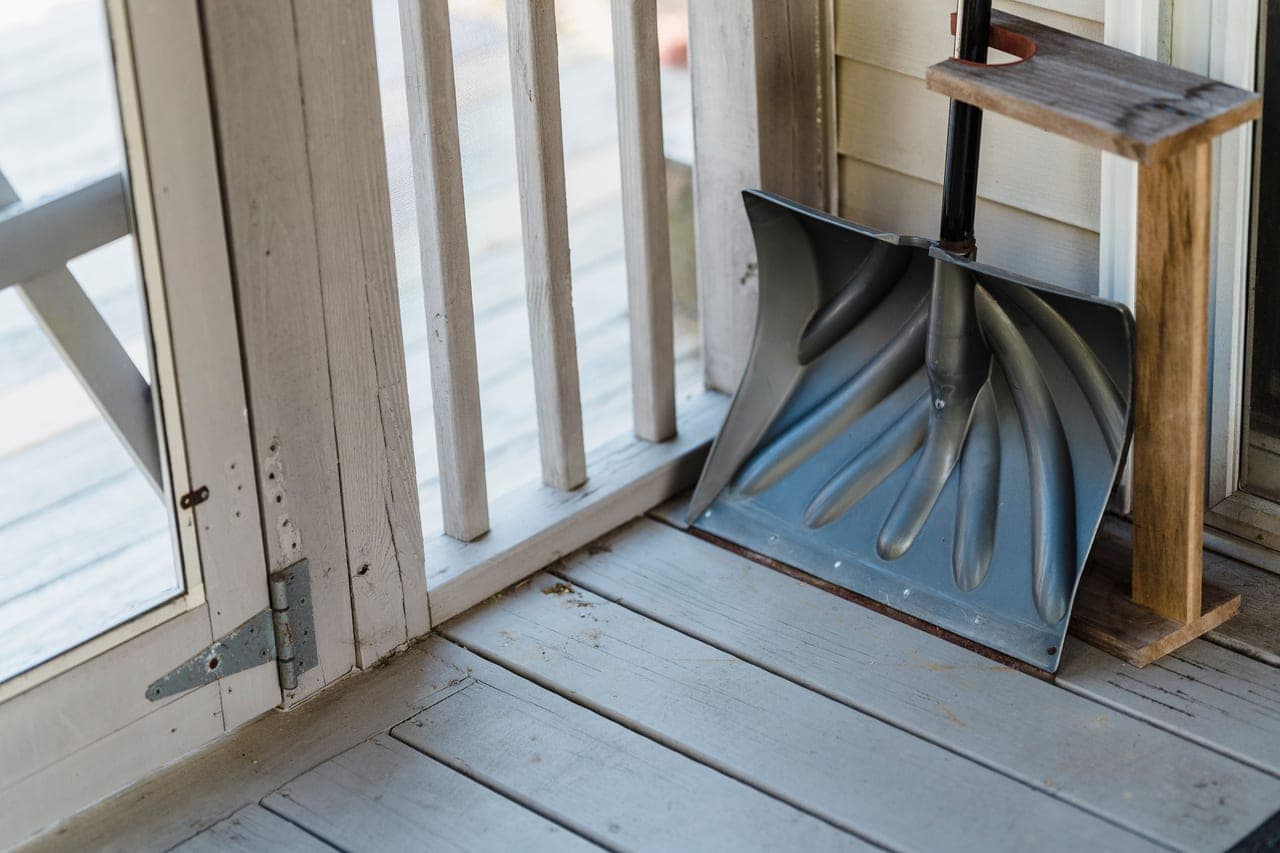
Best for Decks & Steps
Clearing Decks, Steps and Walkways
Narrow heads and non-marking edges for stair treads, composite decks and tight walkways.
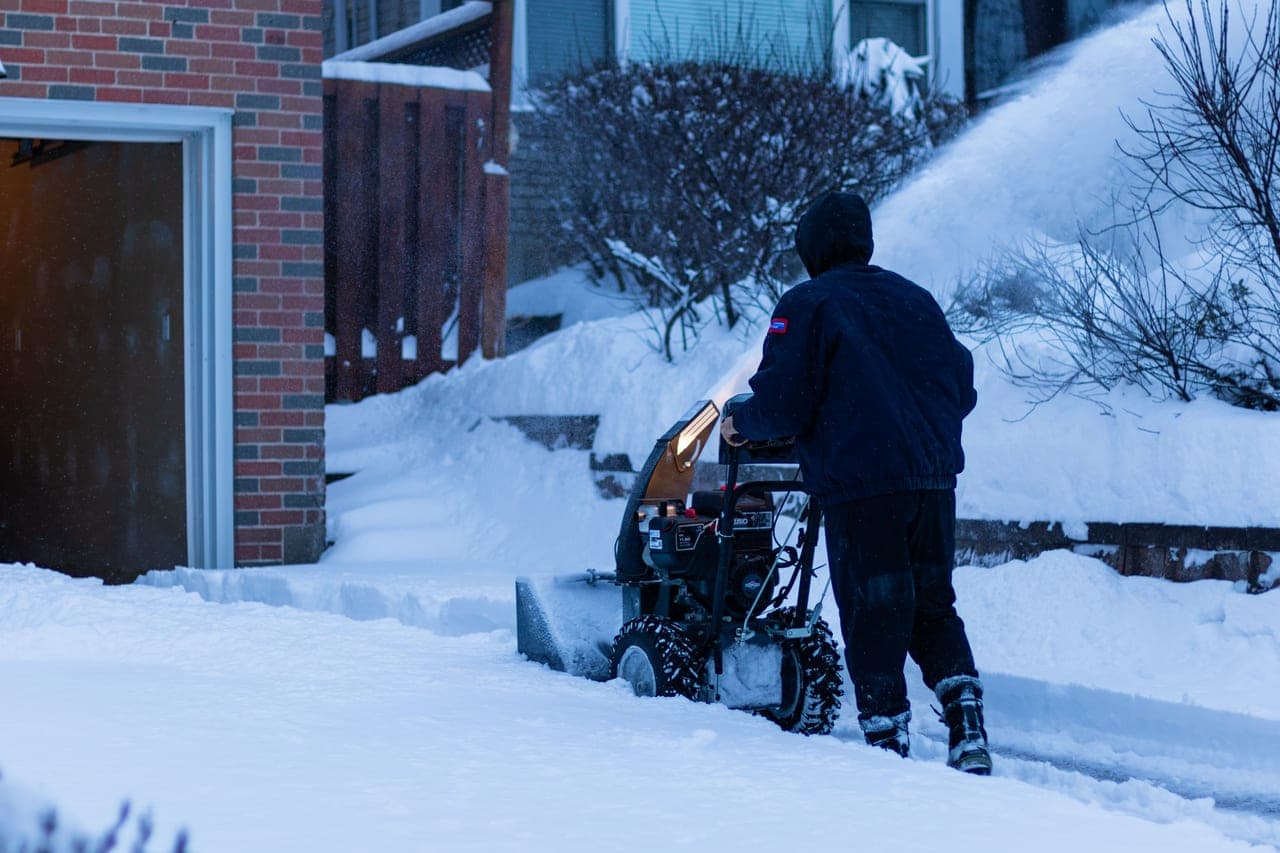
Best Electric Blower
Best Electric Snow Blowers
Corded and battery machines compared on stated throughput, intake depth and surface fit.

Shovel vs Blower
Snow Shovel vs Snow Blower
The throughput arithmetic that decides whether a machine earns its price on your driveway.

Corded vs Cordless
Corded vs Cordless Electric Snow Shovels
The distance rule that decides corded versus cordless, and the cord you need.