
By Scooter M. · Last updated September 4, 2026
Shovel Report earns a commission when you buy through the links on this page, at no extra cost to you. It does not change what we recommend, and we publish a skip-this verdict on products we could otherwise earn from. Full disclosure.
Shovel fit is decided by assembled length measured against your height: too short and you stoop on every stroke. The problem is that almost nobody publishes the number. Of the eleven manual shovels and pushers we track, exactly three print a length — a 27-inch grain-scoop handle, 50 and 51 inches. If you are over about six feet, no manual shovel here is documented long enough, and the honest answer is to change the motion rather than hunt for a longer handle.
The spec that decides fit, and how few makers print it
Everything else about a shovel can be judged from a photograph. Length cannot, and length is what decides whether you spend forty minutes upright or forty minutes bent over.
So we went through every manual shovel and pusher in our registry and looked for a published assembled length or shaft length. Three of eleven have one:
- Suncast 20-inch combo — 51 in overall (one retailer lists a 52 in handle). The longest documented figure we have.
- Snow Joe Shovelution — 50 in assembled height.
- True Temper 1681400 scoop — 27 in handle. Documented, and far too short for a standing adult.
The other eight — both True Temper models, both Bully Tools, both Snowplow pushers and both Manplow pushers — publish no length at all on the listings we read. That is not a small omission in a category sold on how it feels to use. It means you cannot check the single most fit-relevant number against your own body before buying.
Treat a missing length as informative rather than neutral. Where a maker is proud of a number they print it, and the two shovels here that lead on ergonomics are also the two that publish their dimensions.
Working out your target length
The bands below are the same ones we use on our back-pain picks — that page is about the load your spine carries, this one is about whether the tool reaches. What is new here is the third column: which specific product in our registry is actually documented to reach each band.
Height band against documented reach
These are starting points, not rules. Arm length varies at the same height, and how you shovel matters as much as how tall you are. The point of the table is narrower and more useful than a fitting formula: it tells you which claims you can actually verify before you buy.
How we picked
- A published assembled or shaft length — the one spec that answers the fit question, and the one most makers omit
- Where that length sits against real height bands, rather than whether the listing says "ergonomic"
- Published tare weight, because reach is useless if you cannot hold the tool out at that distance
- Genuine handle adjustability, counted only where the maker publishes the range
- Whether the design lets you stay upright at all — a pusher forgives height in a way a scoop does not
We have not physically tested these products. We do not own them, we have no lab, and we do not accept free product. Everything above is compiled from published manufacturer specifications, published manuals, published standards and live retailer data - and we tell you which is which on every claim. How we pick.
Quick picks
Ranked against the criteria below. Tap a row to jump to the full write-up; the price button goes straight to Amazon.
| # | Product | Best for | Score | Price |
|---|---|---|---|---|
| 1 | 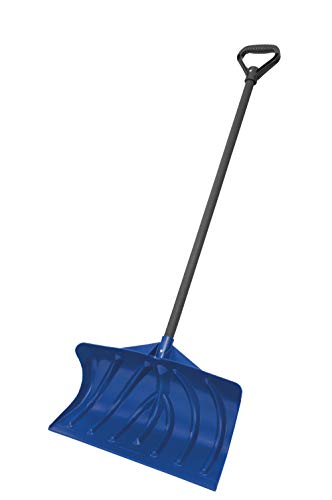 Suncast 20-in Snow Shovel/Pusher Combo with Wear Strip A 20-inch resin combo blade with a galvanized steel wear strip on a Steel Core shaft, at a published 51 inches overall. | A combo whose maker prints the length | 7.8/10 | $110.00 - View on Amazon #ad affiliate link · Price as of October 19, 2026 |
| 2 | 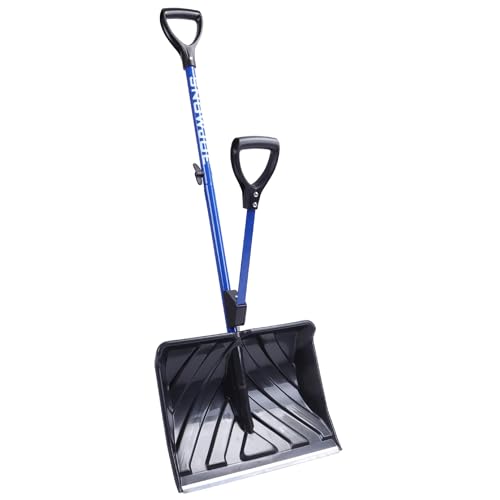 Snow Joe Shovelution SJ-SHLV01 A spring-assisted second handle moves the lifting load down the shaft, and at 3.5 lb the shovel itself adds almost nothing to what you lift. | Backs that already hurt | 8.6/10 | $39.97 - View on Amazon #ad affiliate link · Price as of October 19, 2026 |
| 3 | 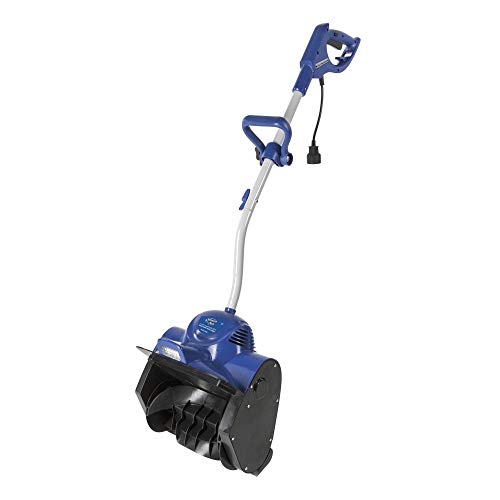 Snow Joe 324E Electric Snow Shovel A corded 11-inch shovel that publishes the two numbers that matter — 13.6 pounds and 300 lb/min — and a 20-foot throw. | The lightest powered shovel with published numbers | 8.1/10 | $124.99 - View on Amazon #ad affiliate link · Price as of October 19, 2026 |
| 4 | 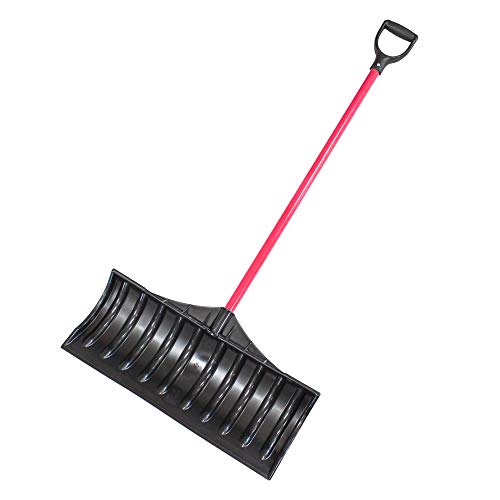 Bully Tools 92813 27-in Poly Snow Pusher A 27-inch poly scoop on a fiberglass D-grip handle — wide enough to matter, soft enough for pavers and decking. | A pusher that will not mark a surface | 8.2/10 | $51.94 - View on Amazon #ad affiliate link · Price as of October 19, 2026 |
| 5 |  McKraftis Ergonomic Snow Shovel with Assist Grip An ergonomic shovel with a separate assist grip and a D-grip — the two-handed leverage idea, with the shaft length and weight left unpublished. Our skip-this pick | A second grip without a spring mechanism | 6.7/10 | $58.98 - View on Amazon #ad affiliate link · Price as of October 19, 2026 |
A combo whose maker prints the length
Suncast 20-in Snow Shovel/Pusher Combo with Wear Strip
A 20-inch resin combo blade with a galvanized steel wear strip on a Steel Core shaft, at a published 51 inches overall.
The Suncast SC3250 we used to list here is no longer available. This is Suncast's current combination shovel in the same line: a 20-inch resin blade with a galvanized steel wear strip on a Steel Core shaft.
Its most useful specification is one most makers leave off the box. The published overall length is 51 inches, and length is what decides whether a shovel fits you — too short and you stoop on every stroke, which no handle shape can undo. One retailer lists a 52-inch handle, so treat it as 51 to 52 inches, but either way it is documented, which puts it in a small minority.
The wear strip is the other reason to choose it. Resin blades usually die at the lip, which rounds off and stops cutting after a couple of seasons. A galvanized steel strip protects that edge and adds bite on packed snow. The trade is that the strip is metal, so it belongs on concrete and asphalt, used with care on pavers, and never on decking.
As a combination blade it does both jobs adequately — pushing on open ground and lifting at the edges — which is exactly right for a household that owns one shovel. The fuller argument for owning two is in types of snow shovels.
What works
- One of the few shovels whose length is published — 51 inches — so you can check fit before buying
- Galvanized steel wear strip protects the lip that normally wears out first on a resin blade
- Combination blade pushes on open ground and lifts at the edges
- 20 inches is a genuinely useful residential width
What does not
- The steel wear strip is metal — not for decking, and caution on pavers
- No published weight
- Retailers publish 51 and 52 inches for the length, so allow an inch either way
- A 20-inch blade full of wet snow is a heavy lift
Backs that already hurt
Snow Joe Shovelution SJ-SHLV01
A spring-assisted second handle moves the lifting load down the shaft, and at 3.5 lb the shovel itself adds almost nothing to what you lift.
The physics here are simple enough to check without owning one. A snow shovel is a lever, and the load on your lumbar spine depends on how far the weight sits from your hips. A conventional straight-shaft shovel makes your upper hand the fulcrum and your lower back the counterweight. The Shovelution adds a second, spring-loaded grip partway down the shaft, so the lower hand takes the lifting and the spine straightens earlier in the throw.
Snow Joe states the design reduces back strain by up to 30 percent. That is the manufacturer's number and we cannot verify it. What we can verify is the tare weight: 3.5 pounds for an 18-inch blade, which is genuinely low. Weight matters more than it sounds. Twelve pounds of wet snow on a 3.5-pound shovel is a 15.5-pound lift; the same load on a 6-pound steel shovel is 18 pounds, and you are doing it three hundred times.
The blade is poly with an aluminum wear strip. That combination is the right compromise for most driveways: poly is light and does not stick as badly as bare steel, and the aluminum edge keeps the leading lip from rounding off after two seasons. It is not a gravel tool — the wear strip will scoop stone and fling it, and on a composite deck it can leave marks.
The 50-inch assembled height is the real limit. If you are over about six feet you will still bend more than you want, and a longer straight-shaft may serve you better even without the assist. See our straight shaft versus ergonomic comparison for how shovel length maps to user height.
What works
- 3.5 lb is among the lightest 18-inch blades we found published specs for
- The second handle is fixed to the shaft, so the lower hand carries the load instead of your lower back
- Aluminum wear strip on a poly blade — the durable combination at this weight
What does not
- The spring mechanism is one more thing that can fail, and it is not user-serviceable
- 18 inches is a lot of blade for wet snow if you insist on filling it
- 50 inches assembled is short for anyone much over 6 feet
The lightest powered shovel with published numbers
Snow Joe 324E Electric Snow Shovel
A corded 11-inch shovel that publishes the two numbers that matter — 13.6 pounds and 300 lb/min — and a 20-foot throw.
Weight is the specification that decides whether a powered shovel gets used, because you carry it in front of your body for the whole clear, and it is the number most makers in this class decline to print. Snow Joe prints it: 13.6 pounds. That is the lightest published figure of any powered snow tool we can verify is currently in stock.
It also publishes throughput, which is rarer still. Snow Joe states up to 300 pounds of snow a minute through an 11-by-6-inch path, with a throw of up to 20 feet. That is roughly a third of what a 15-amp corded blower moves, which is exactly the right expectation: this is a tool for steps, decks, walkways and short aprons, not a driveway.
A note on the width, because listings disagree. Some retail listings describe this model as clearing a 14-inch path; Snow Joe's own product page says 11 inches, and we go with the maker. Eleven inches is also the useful number, because a standard stair tread is 10 to 11 inches deep.
The cost of being corded is the cord. Snow Joe specifies a 12-gauge extension cord no longer than 100 feet, and a heavy cord trailing around a spinning auger is a genuine trip hazard, particularly for an older user. If that matters more than weight, a cordless tool is the better buy — corded vs cordless works through the distance question.
What works
- 13.6 lb is the lightest published weight of any powered snow tool we can verify is in stock
- Publishes throughput — 300 lb/min — which almost nothing else in this class does
- 11-inch head fits a standard stair tread
- Corded, so there is no battery to buy, charge or replace
What does not
- Corded: a stiff, cold extension cord around a spinning auger is a real trip hazard
- Maker requires a heavy 12-gauge cord, and no more than 100 feet of it
- 6-inch depth means two passes in a real storm
- Far too narrow for a driveway
A pusher that will not mark a surface
Bully Tools 92813 27-in Poly Snow Pusher
A 27-inch poly scoop on a fiberglass D-grip handle — wide enough to matter, soft enough for pavers and decking.
The single largest reduction in shoveling effort available to a homeowner is not an ergonomic handle. It is not lifting at all. A pusher slides the snow off the surface instead of picking it up, which removes the entire lift-and-throw motion that hurts people.
The constraint is that pushing only works while the snow is loose and while you have somewhere to push it to. On a 60-foot driveway you are moving snow 30 feet, and at some point the windrow in front of the blade is bigger than the blade. The technique is to push at an angle across the drive, peeling snow to the side in strips, not to bulldoze the whole length.
Poly is the right material here specifically because it is soft. Nothing on this tool can scratch a paver or a composite board, which is why it is our default recommendation on paver driveways and on decks.
It cannot chop. When the plow berm freezes you will need a steel edge or an ice chisel — the pusher will ride over the top of it.
What works
- No metal edge means no scratches on pavers, sealed asphalt or composite decking
- 27 inches clears a two-car driveway in far fewer passes than an 18-inch shovel
- Fiberglass handle survives the leverage a wide pusher generates
What does not
- A pusher does not lift — you still need a shovel for the plow ridge
- Poly will not cut refrozen crust
- Wide blades wander on an uneven surface
A second grip without a spring mechanism
McKraftis Ergonomic Snow Shovel with Assist Grip
An ergonomic shovel with a separate assist grip and a D-grip — the two-handed leverage idea, with the shaft length and weight left unpublished.
Skip this one
Skip this one if fit is why you are shopping. The assist-grip geometry is genuinely good, but the listing publishes no shaft length at all — and this page ranks on published length, because a shovel that is too short puts you into a stoop no handle design undoes. Check it in hand before buying.
The ErgieShovel we used to list here is no longer available. This is the closest comparable tool we can verify is in stock: a shovel built around the same idea of a second grip that lets you use two-handed leverage rather than lifting with your back.
That idea is sound and it is why the category exists. Holding the shaft low with one hand and a D-grip with the other means your arms and legs take the load instead of your lumbar spine, and a separate assist grip does that without a spring mechanism that can wear out or freeze.
The problem is documentation. The listing we read publishes no shaft length, no blade width, no blade material and no weight. Shaft length in particular is the specification that decides whether any shovel fits you — too short and you stoop on every stroke, and no grip design undoes that. We cannot tell you whether this one suits a tall user, and we would rather say so than guess.
If fit is your reason for buying, choose a shovel whose maker prints the length — snow shovels for your height lists the ones that do. If you can check it in hand first, the grip geometry here is the right idea.
What works
- A second grip lets your lower hand take the load instead of your lower back
- No spring or mechanism to wear out or ice up
- D-grip top handle keeps the wrist in a neutral position
What does not
- No published shaft length, which is the specification that decides whether a shovel fits your height
- No published blade width, material or weight
- Unverifiable on decorative surfaces until you can see the edge
- A newer brand with little published documentation
What the "for women" and "for kids" searches are really asking
Two of the most common searches in this cluster are for a women's snow shovel and a kids' snow shovel. Both are asking a real question, and neither is really about a separate product category.
The variables that actually differ are height and lift capacity — how far the handle needs to reach, and how much loaded weight is reasonable to pick up several hundred times. Those vary enormously within any group and barely track the label on the box. A 5-foot-4 adult and a 5-foot-4 adult of a different gender need the same shaft length.
So the honest version of the answer is: use the height table above for reach, then cap the load. A narrower blade you can fill beats a wide one you have to consciously under-fill, because nobody under-fills consistently at minute thirty. The 3.5-pound Shovelution is the lightest documented tool here, and light matters more than width for anyone managing lift capacity.
For children specifically, we have no verified pick and will not invent one — there is no junior-sized shovel in our registry with a published length or weight. What we can say is that the failure mode is not a too-big shovel, it is a too-heavy load in a big blade, and that supervision matters more than the tool. The cardiac and lumbar cautions on how to shovel snow properly apply to any body.
The telescoping shovel trap
If you are tall and searching for a longer shovel, the results fill up with telescoping and extendable models, and it looks like the problem is solved. It is not, and this is worth stating plainly because the listings are genuinely misleading in context.
Telescoping snow shovels are car and emergency tools. The extendable models we looked at during this update advertise ranges roughly in the 27 to 41 inch bracket — that is their *maximum*, and it is shorter than an ordinary 50-inch shovel at full extension. They are built to fit in a trunk and clear a windshield, not to let a six-foot adult stand upright over a driveway.
The closest thing to an adjustable option is powered rather than manual: the Snow Joe 324E has an adjustable handle, but Snow Joe does not publish the range. The Toro Power Shovel we used to list published 6 inches of adjustment and has since been discontinued — we have not found a live tool that publishes a measured range.
If nothing is long enough, change the motion
This is the part most fit guides skip. Above about six feet, the manual shovel market simply does not document a tool that fits you, and the productive response is to stop optimizing the handle and change what your body is doing.
- Push instead of lifting. A pusher is worked with both hands and a straight back, and the geometry is far more forgiving of height than a scoop is. It also removes the lift-and-throw motion entirely for the open part of the drive. See snow pushers.
- Let a machine take the reach problem away. A wheeled tool is set by its own handle height, not by how far you can bend. Our electric snow blower picks start at a fraction of what people expect.
- Clear shallower, more often. Four inches twice is easier than eight inches once at any height, and it shortens the time you spend in a bad posture.
- Fix the grip, not just the shaft. A D-grip gives wrist control with less grip force, which matters more than an inch of length for most people.
If your back is already the constraint rather than your height, start from shovels for a bad back instead — the priorities reorder, and weight overtakes length at the top of the list.
Questions people ask
What length snow shovel do I need for my height?
Are telescoping snow shovels good for tall people?
Is there a difference between a men's and a women's snow shovel?
What snow shovel should I buy for a child?
Why do so few snow shovels list their length?
Sources
- Suncast 20 in shovel/pusher combo — 51 in overall, galvanized steel wear strip
- Snow Joe SJ-SHLV01 Shovelution listing — 50 in assembled height, 3.5 lb
- McKraftis ergonomic snow shovel with assist grip — shaft length not published
- Toro 38361 Power Shovel (discontinued) — published 6 in of handle adjustment
- True Temper 3-in-1 emergency shovel — an example of the car-tool class
Next stage
Or stop reaching altogether
A pusher is worked with both hands and a straight back, which forgives height in a way no scoop does. It is the most reliable answer when nothing on the shelf is documented long enough for you.
Keep goingAbout the author
Scooter M.
An enthusiast who is genuinely into this. I read the manuals, compile the published specs, and do the math on door clearances. No lab coat, no test bench, and nothing here is a product I have used - which is exactly why every claim carries a source.
Published by Slate Mill Group, with the Shovel Report team. Published September 4, 2026; last updated September 4, 2026. Editorial policy.
Read next
Which Type You Need
Types of Snow Shovels
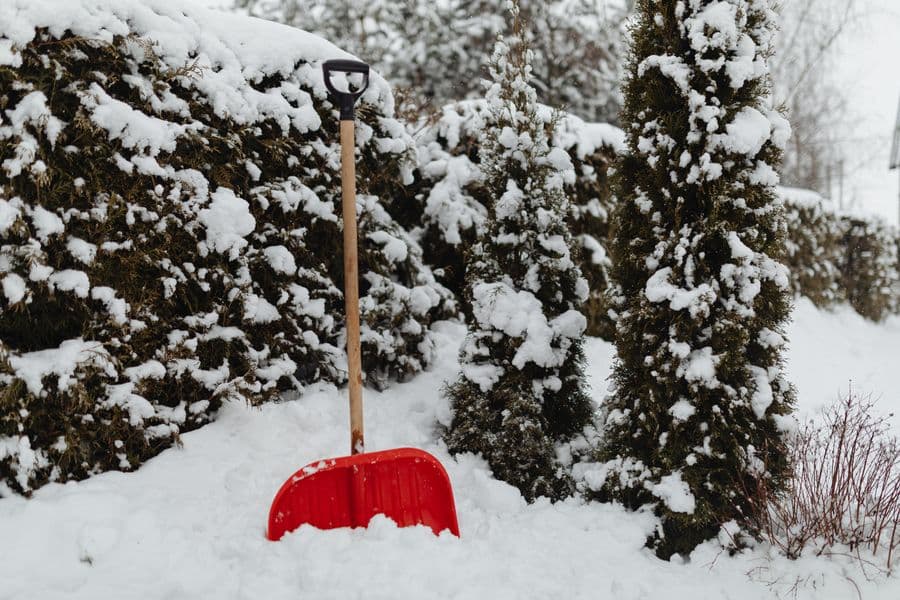
The seven shapes sold as snow shovels, the mechanism behind each, and which one your surface and your back actually call for.

Best for a Bad Back
Best Snow Shovels for a Bad Back
Strain-reducing shovels ranked on published weight, leverage geometry and shaft length.

Ergonomic vs Straight
Ergonomic vs Straight-Shaft Snow Shovels
When the bent-shaft premium pays for itself, and when a plain shovel wins.
Best for Older Adults
Best Snow Shovels for Seniors
Light, long-handled and push-first shovels, with honest limits on when to stop.
Best Pusher
Best Snow Pushers
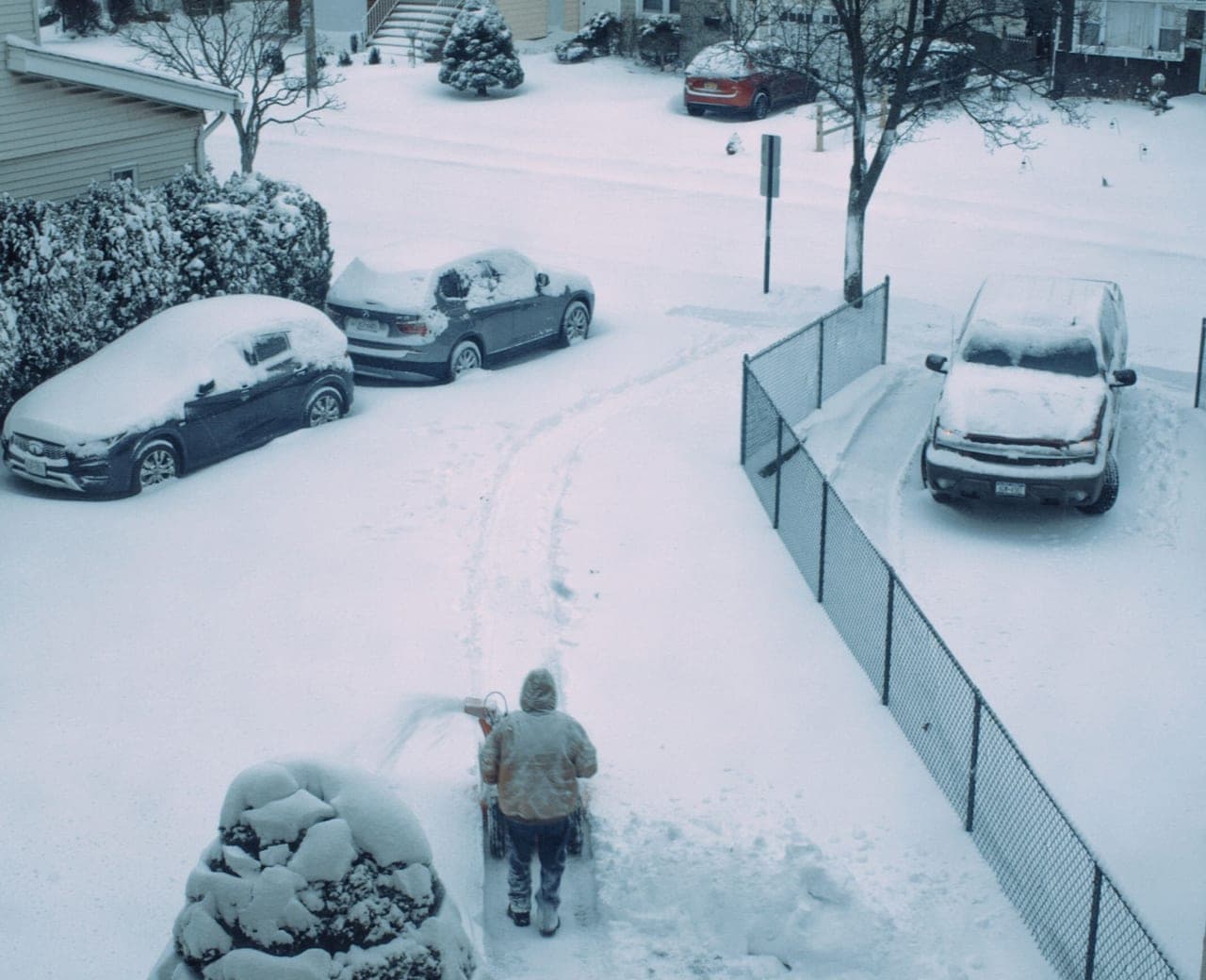
Wide pusher blades from 27 to 42 inches, and why the widest is rarely the right buy.

Best for Cars
Best Snow Removal Tools for Cars
Foam versus bristles for paint safety, plus the reach a truck roof actually needs.